A studio is more than an empty room
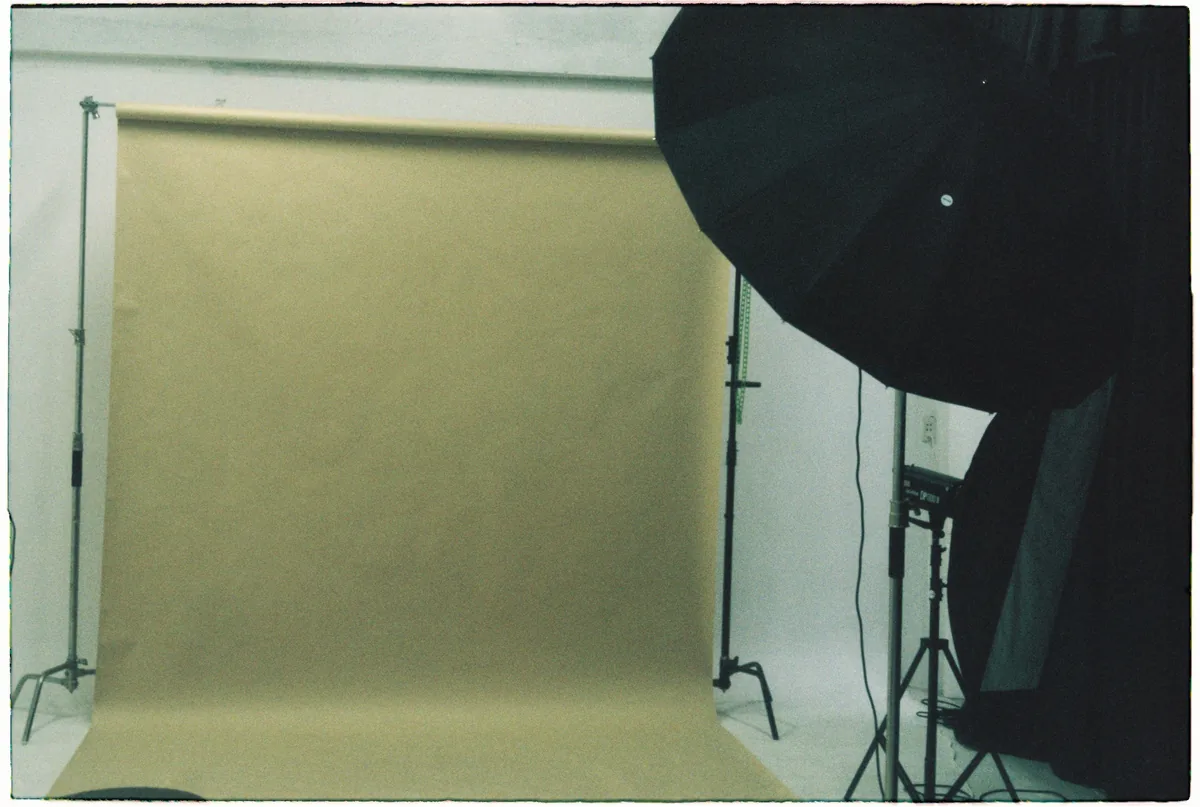
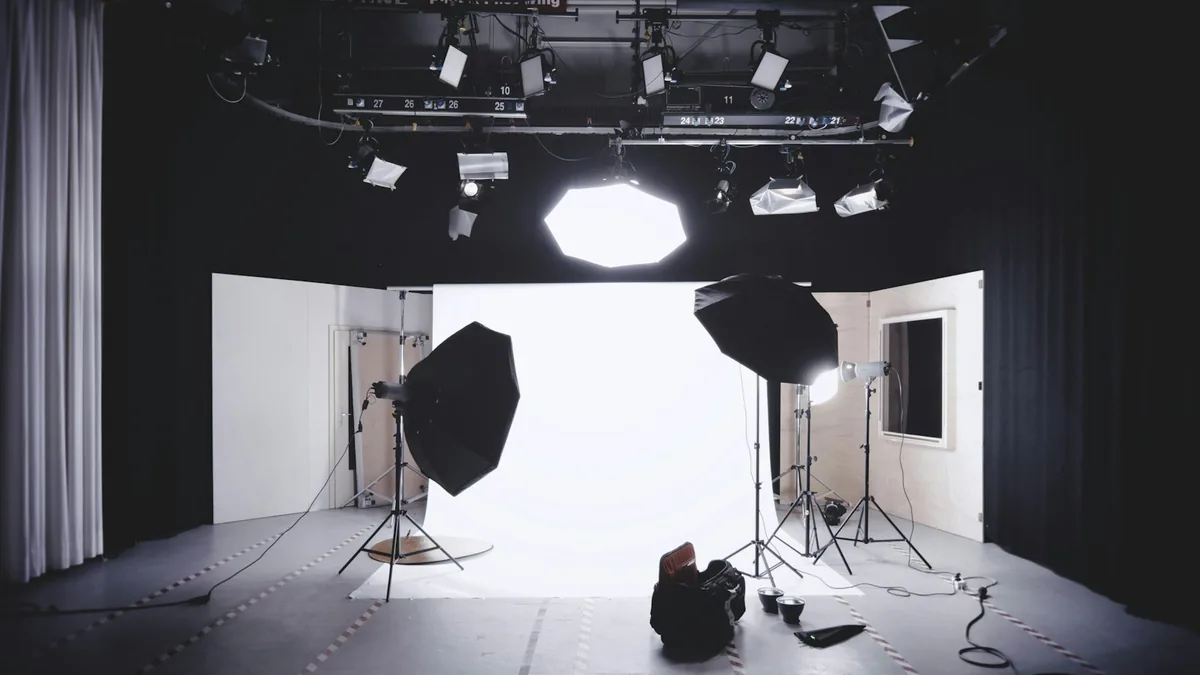
Irving Penn offers a useful challenge to photographers who equate a distinctive portrait with an elaborate set. Consider the studio as a system of decisions: where someone can stand, what remains visible, how the body meets the frame and what the viewer is encouraged to notice. Removing scenery does not remove authorship. It concentrates it. This retrospective is best read alongside the authorized foundation and Art Institute galleries linked below. Our accompanying licensed photographs show contemporary studio environments only; they are neither Penn’s work nor reconstructions of his studio.
The corner changes the encounter
The Art Institute of Chicago’s archive describes Penn’s 1948 corner portraits, made with two studio flats, as well as a related setting built around carpet. A corner is not merely a graphic backdrop. In our reading, it turns posture into a response to a constraint: a shoulder, elbow or lean becomes conspicuous because there are fewer competing signals. When studying the authorized portraits, ask how much space each person appears to claim and where the geometry presses against the figure. Avoid reducing the lesson to a recipe for making a sitter uncomfortable.
Small Trades makes comparison part of the picture
The Irving Penn Foundation places Small Trades in Paris, London and New York in 1950–51, and notes the series’ relationship to earlier images of street trades. Look at the authorized gallery as a sequence rather than selecting only one appealing portrait. Our suggestion is to attend to clothing, tools, stance and the differences that remain within a repeated photographic framework. A consistent setting can make comparison possible, but it also makes the photographer’s categories powerful. A person is not exhausted by the occupation or object through which a series introduces them.
A neutral background is not a neutral argument
The foundation also describes Penn’s work away from his usual studio, including the portable environments associated with Worlds in a Small Room. The practical attraction is clear: a recurring visual structure can travel. The interpretive difficulty deserves equal attention. Taking a person out of a visible place may strengthen a formal portrait while withholding information about their ordinary circumstances. Ask what the photograph makes legible and what must be supplied by a caption, a sequence or further reporting. Treat this as a question to investigate in each work, not a claim that every plain-background portrait has the same meaning.
Study the edge as carefully as the face
The Art Institute discusses Penn’s move toward tighter portraits and his 1957 portrait of Picasso at La Californie in Cannes, including its close framing and use of light and shadow. Use the museum’s authorized presentation to examine that image rather than relying on an uncredited repost. A productive viewing exercise is to cover the caption briefly, describe the visible relationships without guessing the sitter’s thoughts, and then read the supplied context. Notice how recognition and fame change your interpretation. Distinguish a description of the photograph from a story you are tempted to project onto it.
Try a constraint without borrowing an identity
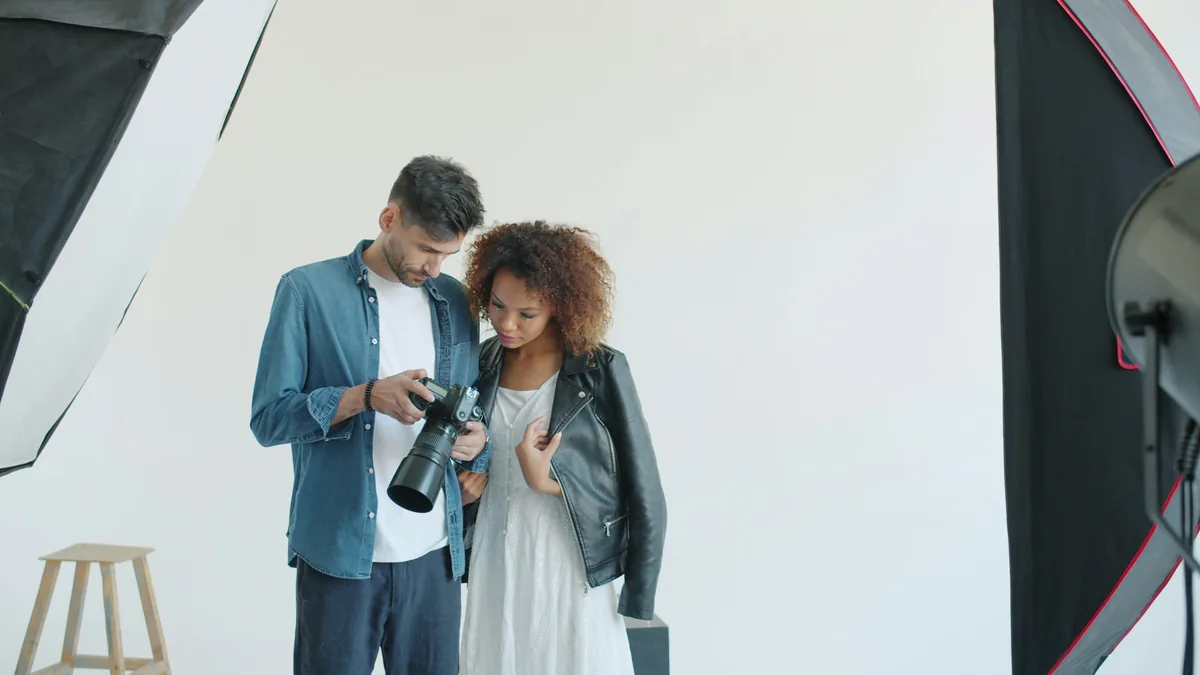
For a contemporary portrait session, choose one modest restriction: a single background, a fixed camera position or a limited area in which to stand. Explain it to the participant and keep the setup physically comfortable and safe. Make a short sequence, then allow a change suggested by the person being photographed. Review the results together when appropriate. This is our exercise in examining photographic choices, not a reconstruction of Penn’s technique or a claim that a particular light will reproduce his pictures. The valuable result may be discovering that your initial restriction concealed more than it revealed.
Finish by asking what the system leaves out
Edit the sequence for differences in gesture and relationship, not just for the most striking shape. Write captions that identify known circumstances without inventing emotion, and keep consent and intended use explicit. Penn’s work rewards close looking because a small set of visible elements can sustain a complicated encounter. That is a more durable lesson than copying a background. The foundation controls reproduction permissions for the work it administers; no such permission is claimed here. Follow the authorized gallery links to study the photographs themselves, and keep the distinction between historical evidence and today’s contextual studio illustrations clear.