The price depends on the recording path
Insta360 launched Mic globally on October 22, 2026. Its US store lists a transmitter at $79.99, a one-transmitter/one-receiver kit at $139.99 and a two-transmitter/one-receiver kit at $249.99. Orders are available through the manufacturer, which currently indicates normal dispatch within two days; that is not a guaranteed arrival date. Choose the Mic edition on the shared Mic & Mic Pro store page: the names and prices are different. This is a launch report based on official documentation, not an independent sound-quality test.
A card slot changes the backup routine
The transmitter accepts a separately purchased microSD card for internal recording, including 32-bit float. Without a card, sound can still be sent through a supported wireless recording path, but there is no local card recording to recover. The practical question is therefore not just whether the microphone connects. Before an important take, confirm that the intended card is recognized, internal recording is enabled and a new audio file can actually be opened afterward. A backup function is useful only when the backup exists.

Start with a signal-path sketch
Write down the chain from the person speaking to the file you will edit. Is the destination a compatible camera, a phone application or a receiver connected to a camera input? Which device is making the recording, and where is the independent copy? This simple exercise exposes missing cables and assumptions about adapters before money is spent. The cheapest transmitter-only option is not automatically the cheapest complete solution for an existing camera. Check the exact body and application, not merely the presence of Bluetooth.
Read compatibility and regional notes together
Insta360 lists direct connections to X6, X5, Luna Ultra, Luna Pro, GO Ultra and Ace Pro 2. Its store also explicitly excludes timecode support in the United States. Do not confuse sending the same audio to several receivers with guaranteeing frame-accurate camera synchronization. Regional documentation and the actual recording format matter. A crew that depends on timecode should verify the complete system before booking it for work, rather than interpreting a global feature heading as a promise about a US purchase.
Separate recording precision from acoustic problems
The 32-bit float specification concerns the internal file, not every downstream camera recording. It should not be treated as a remedy for poor microphone placement, rubbing fabric, wind or a distracting room. Make a short test using normal speech, louder delivery and the movements expected in the scene. Listen to the saved file with suitable headphones. If the source sounds wrong, change the physical setup before trying to rescue it with processing. Our placement guide explains a repeatable rehearsal that does not depend on this particular microphone.

Treat endurance as a planning input
The manufacturer quotes up to 13 hours for a transmitter and 34 hours with the case, under stated laboratory conditions. Those are claims, not our measurements. A working schedule should leave room for setup, retakes and charging delays. Test the settings you intend to use for a representative session, including any internal recording and noise reduction. Label and charge each component separately, and verify the remaining power at a natural break. A headline runtime is not a guarantee that every part of a multi-device kit will last equally long.
Test a complete handoff to the edit
Record a clearly identified rehearsal, transfer the camera file and any local audio, and open both in the intended editing application. Check channel assignment, duration and synchronization at more than one point. Keep the original files until delivery and backup are complete. If a kit will serve several speakers, agree on names or labels before recording so a later folder does not become a collection of anonymous tracks. This workflow check can reveal a more consequential limitation than the appearance of the transmitter.
What these pictures can—and cannot—show
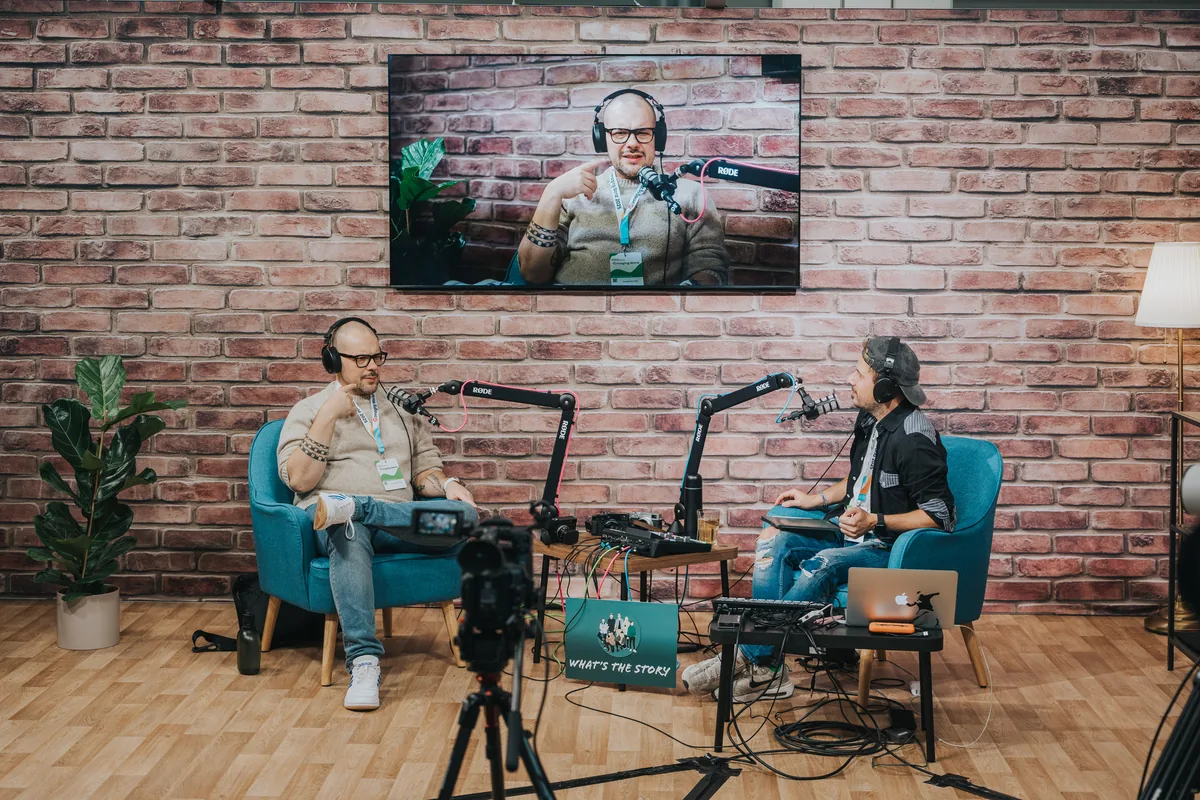
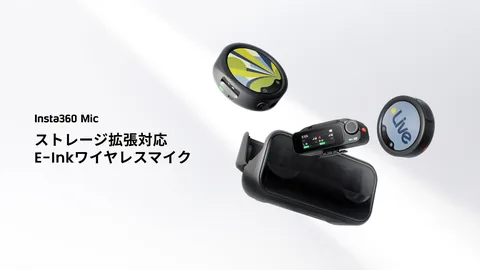
The accompanying manufacturer press images show the new Mic kit and staged examples of group recording and handheld-camera use. They establish product identity and illustrate intended scenarios; they are not evidence of wireless reliability or acoustic performance. Assess the purchase against a real recording need: a compatible destination, a dependable file-management routine and a placement that keeps speech intelligible. Existing users with a reliable setup do not need to replace it simply because a new model sits between two familiar products.