A live opportunity to compare equipment
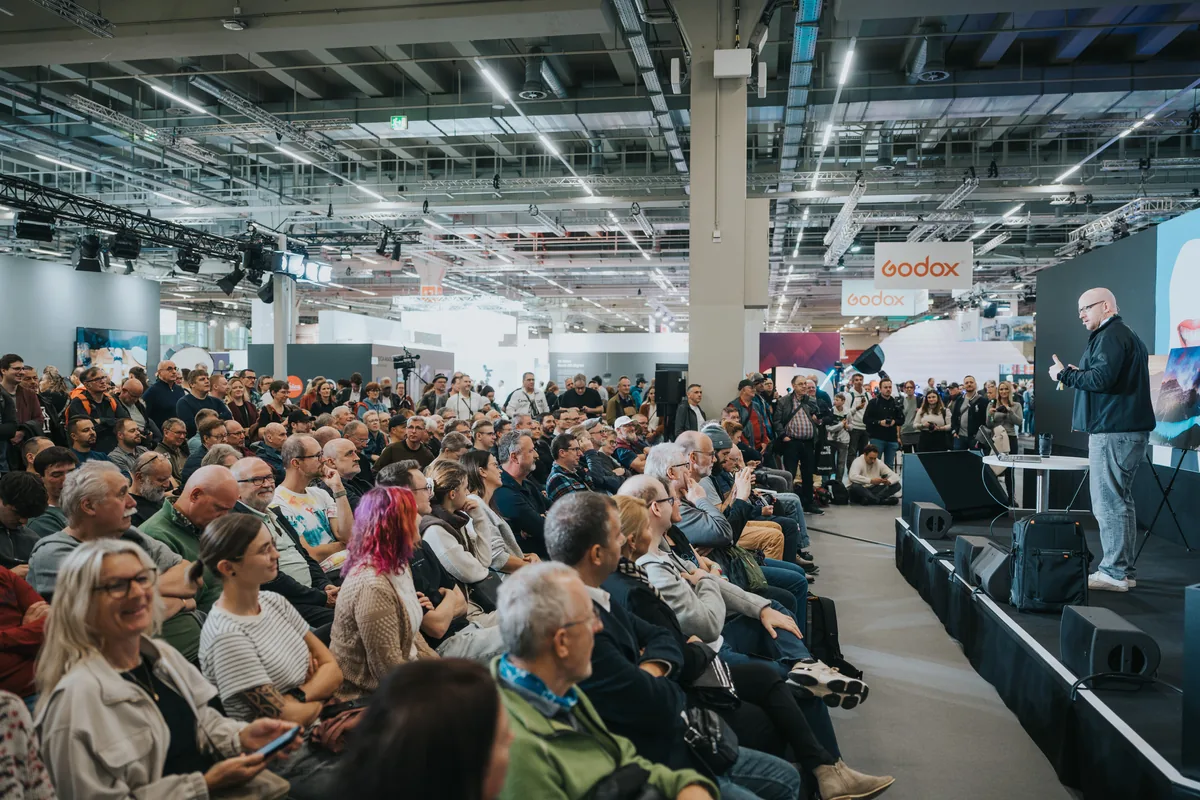
Imaging World opens its scheduled October 2–4, 2026 run at the Nuremberg Exhibition Centre in Germany. The organizer lists more than 120 brands and over 60 workshops, seminars and photo walks, alongside practical shooting sets and stage sessions. Its published hours are 9 a.m.–6 p.m. Friday and Saturday and 9 a.m.–5 p.m. Sunday. The TIPA Awards ceremony is scheduled for Friday at 5 p.m. These are organizer-confirmed programme details, not observations from our attendance. The photographs accompanying this report are authorized October 2025 archive images and should not be read as evidence of today’s turnout.
Bring a question, not a shopping verdict
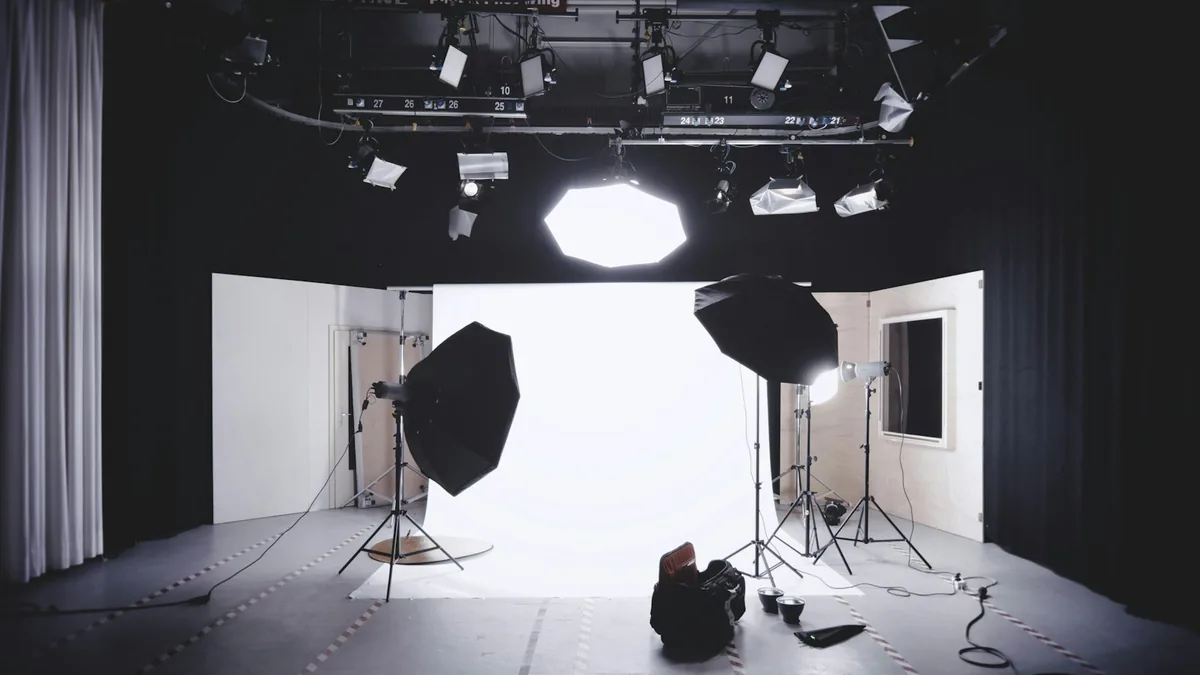
Our suggested approach is to arrive with one unresolved photographic problem. Perhaps moving subjects bend under an electronic shutter, a control is difficult to reach, or a lighting setup produces uneven frames. Write down the body, lens, exposure mode and conditions that cause the problem at home. Then ask an exhibitor whether a comparable test is possible. A short demonstration is much more informative when it answers a narrow question. It is less useful when attractive lighting and a cooperative subject persuade you that an unfamiliar camera will solve every difficult assignment.
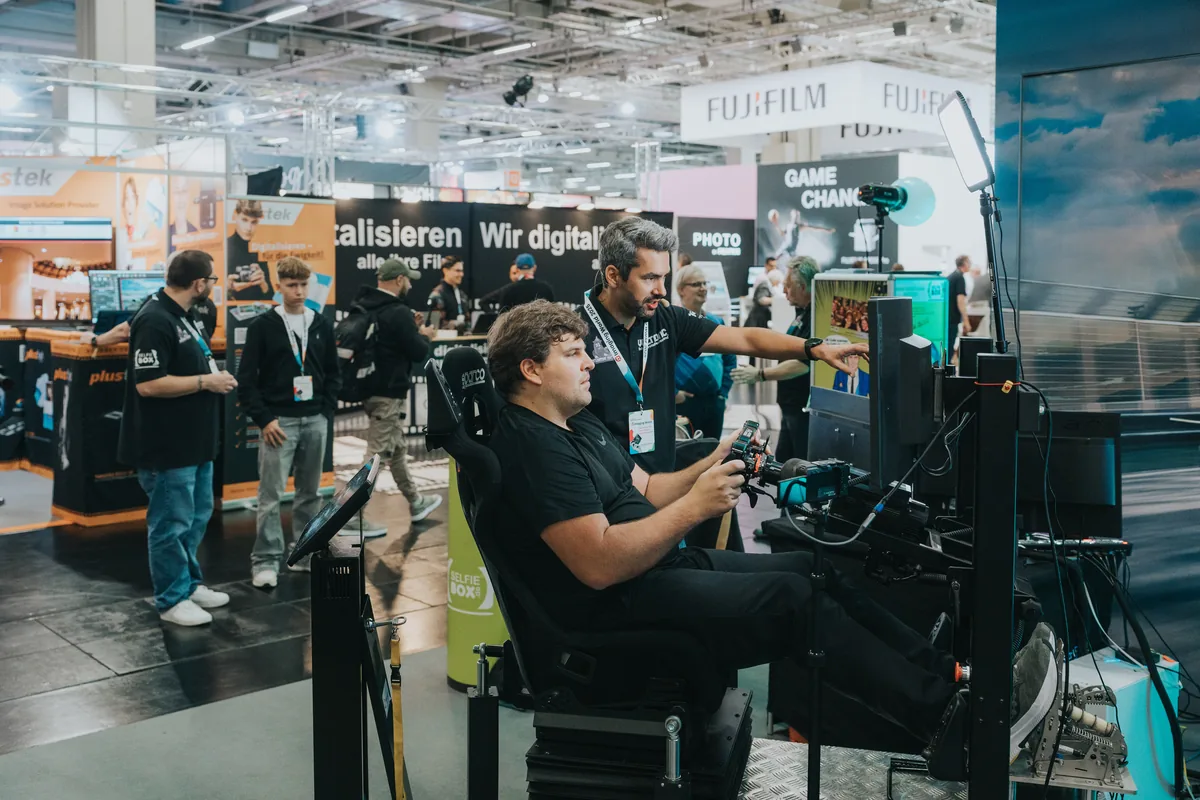
Ask what the demonstration actually measures
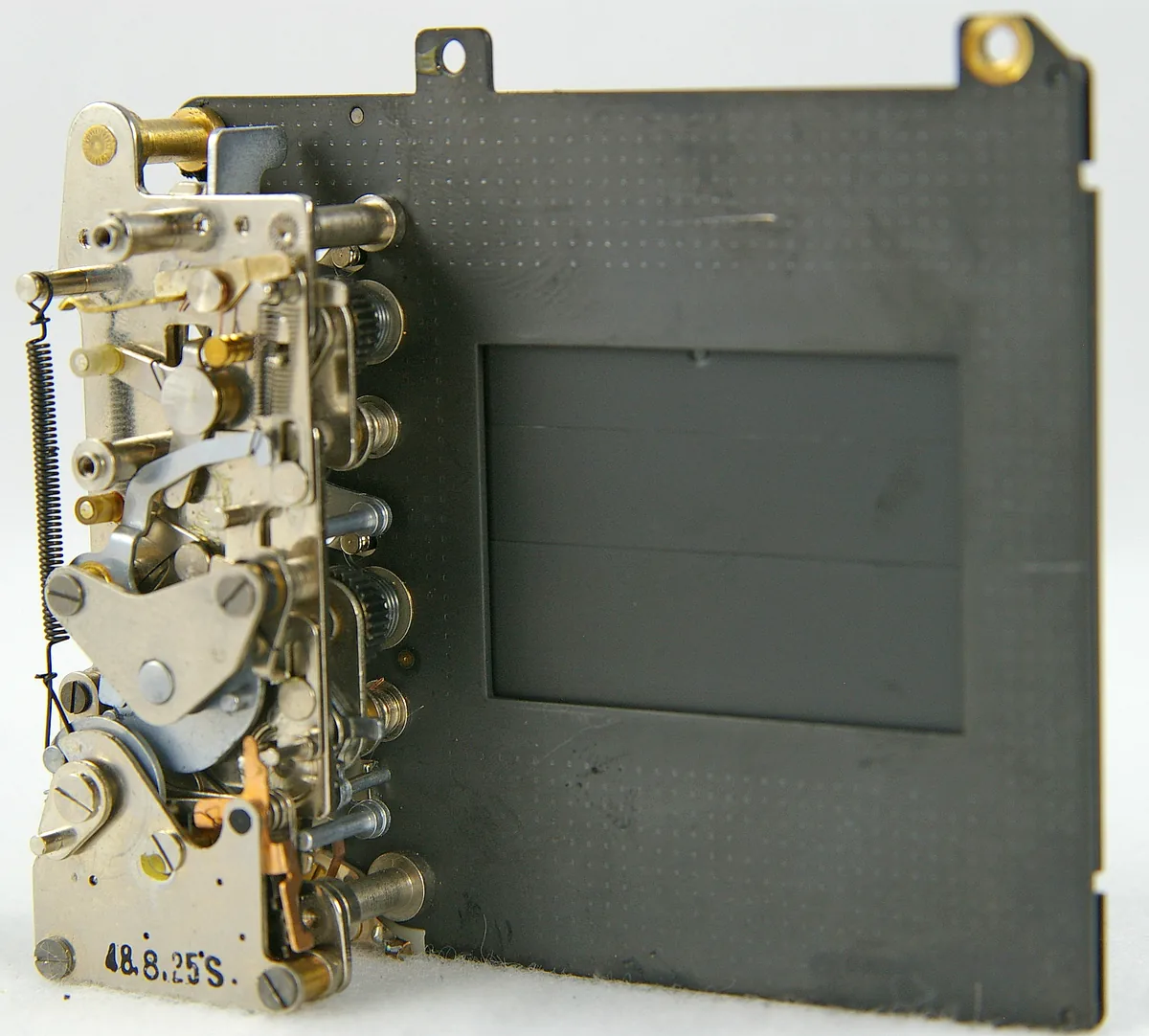
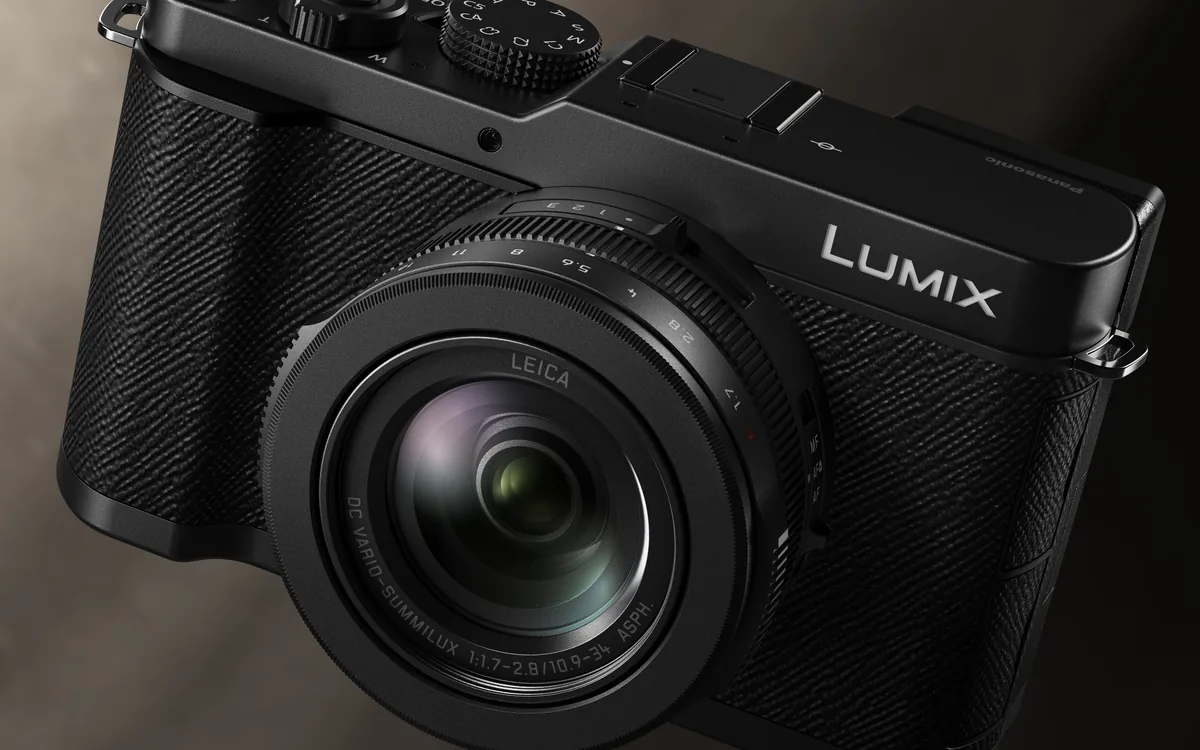
For a shutter comparison, separate subject blur from geometric distortion and changes in illumination. Ask which shutter mode is active, whether the body is production hardware and which firmware is installed. A global-shutter demonstration may establish something about exposure timing, but it does not establish low-light image quality, battery endurance or the reliability of an entire workflow. Do not assume that a particular camera or a global-shutter test station is available merely because a brand is exhibiting. Confirm the equipment with the stand before planning a comparison around it.
Make comparisons that can survive the journey home
If the exhibitor permits recording to your own card, begin each sequence with a note identifying the setup. Do not insert a card, format equipment or change persistent settings without permission. Keep focal length, framing and intended output similar, and record any settings you cannot match. A different lens or automatic exposure choice can dominate the apparent result. Take a useful reference frame before the impressive burst. At home, compare the files with consistent processing and look at the complete sequence, not just the single frame that makes one system appear strongest.
A workshop and a sales floor answer different questions
Use a practical session to understand a technique; use a stand to clarify a specification, handling issue or compatibility requirement. Neither automatically substitutes for a sustained field test. Ask what a flash or shutter feature requires beyond the camera: trigger firmware, a supported accessory, a particular drive mode or a restricted exposure range. For video, add recording format, monitoring and file-transfer requirements. A clear written answer is more useful than an unqualified promise that something works. If a claim affects a paid job, verify it in the manufacturer’s manual afterwards.
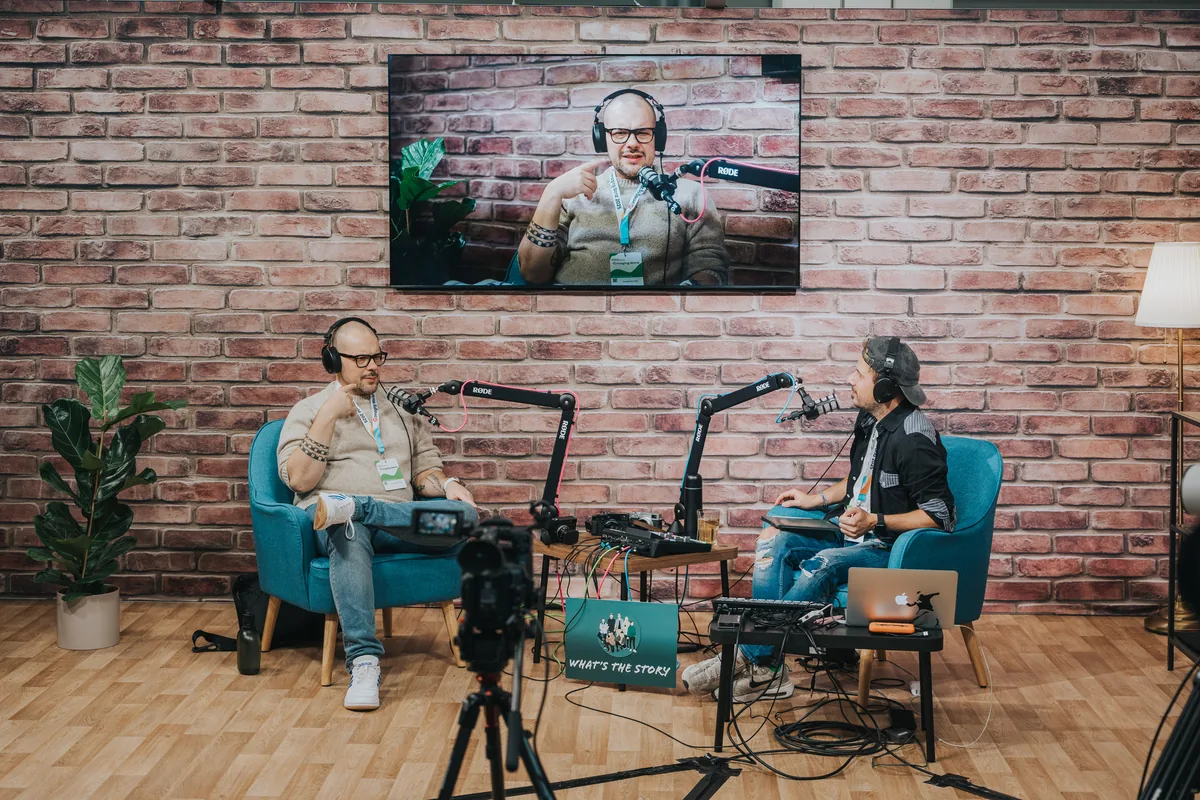
Check access before committing to a journey
The organizer’s August programme release lists a €15 day ticket and €25 weekend pass. Those are euro-denominated event admission prices, not US-dollar camera prices; consult the live ticket page for current fees and availability. Workshops and special events may have separate booking conditions. Confirm the venue entrance, session time and language before travelling, and allow time between appointments. For readers not attending, the useful takeaway is the same: define a repeatable test before choosing equipment. We will treat any product announcement separately and verify it with its manufacturer rather than infer a launch from a crowded exhibition stand.