Start with the part the client needs
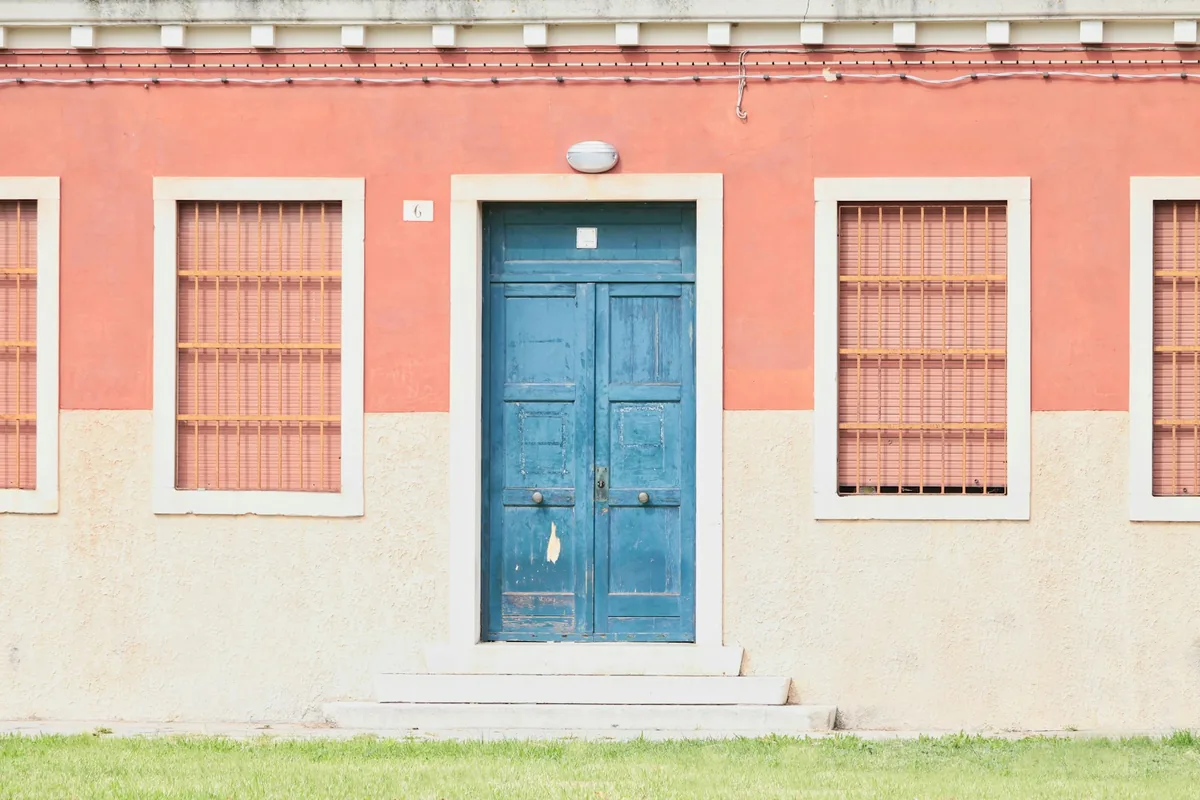
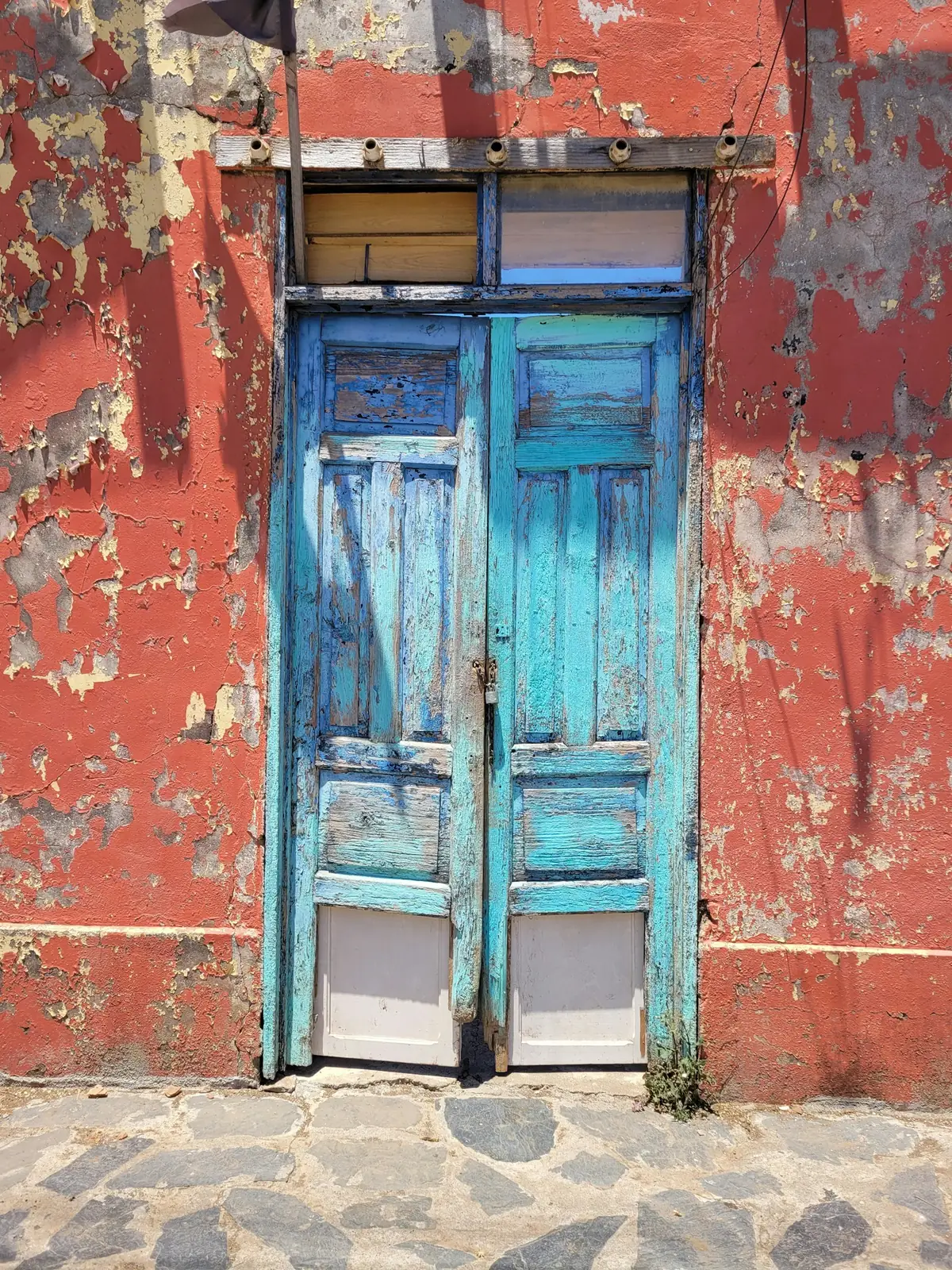
A storefront photograph can have beautifully parallel doorposts and still be unusable if the correction removes the shop sign. Before you straighten anything, identify the roof detail, sign, paving or neighboring entrance that must survive. Make a virtual copy or another reversible edit. Set aside the original framing so you can see exactly what the transformation costs.
Find two reliable edges
Look for long straight features on opposite sides of the facade, such as structural posts or the sides of rectangular windows. Avoid leaning drainpipes, tapering columns and decorative trim that was never parallel. Magnify each endpoint long enough to place it on the same side of the edge. Moving one guide from the inside to the outside of a wide frame halfway down can introduce an unnecessary tilt.
Place the guides and inspect the transformation
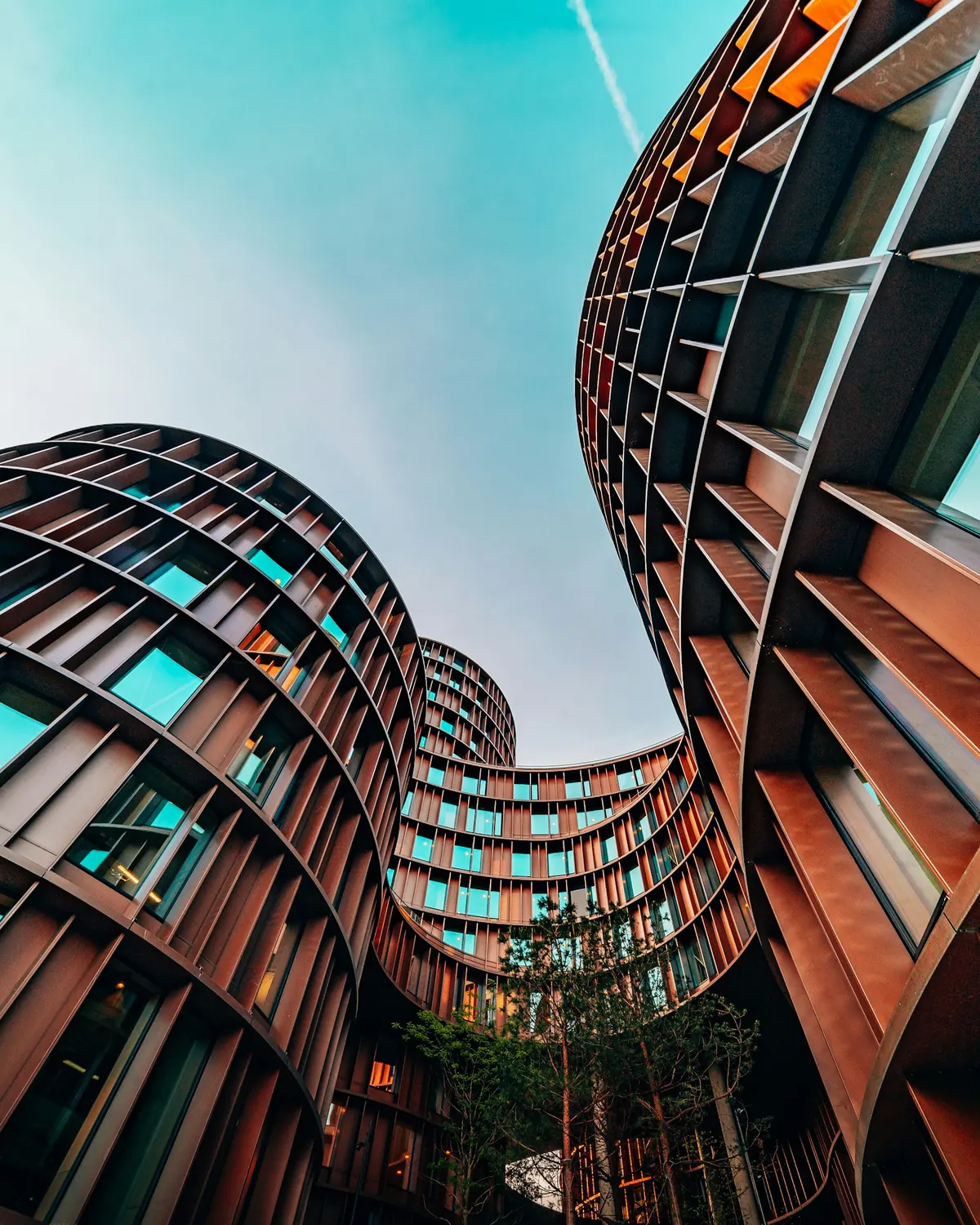
In an editor with guided perspective correction, draw one guide along each chosen vertical. Adobe’s Guided Upright tool applies a transformation from the guides you draw. Step back to fit the whole picture on screen. Check a third vertical that you did not use, then look at the shape of doors and windows. If one side looks stretched, recheck the guide placement against the original architecture before adding more corrections.
Crop after checking the empty corners
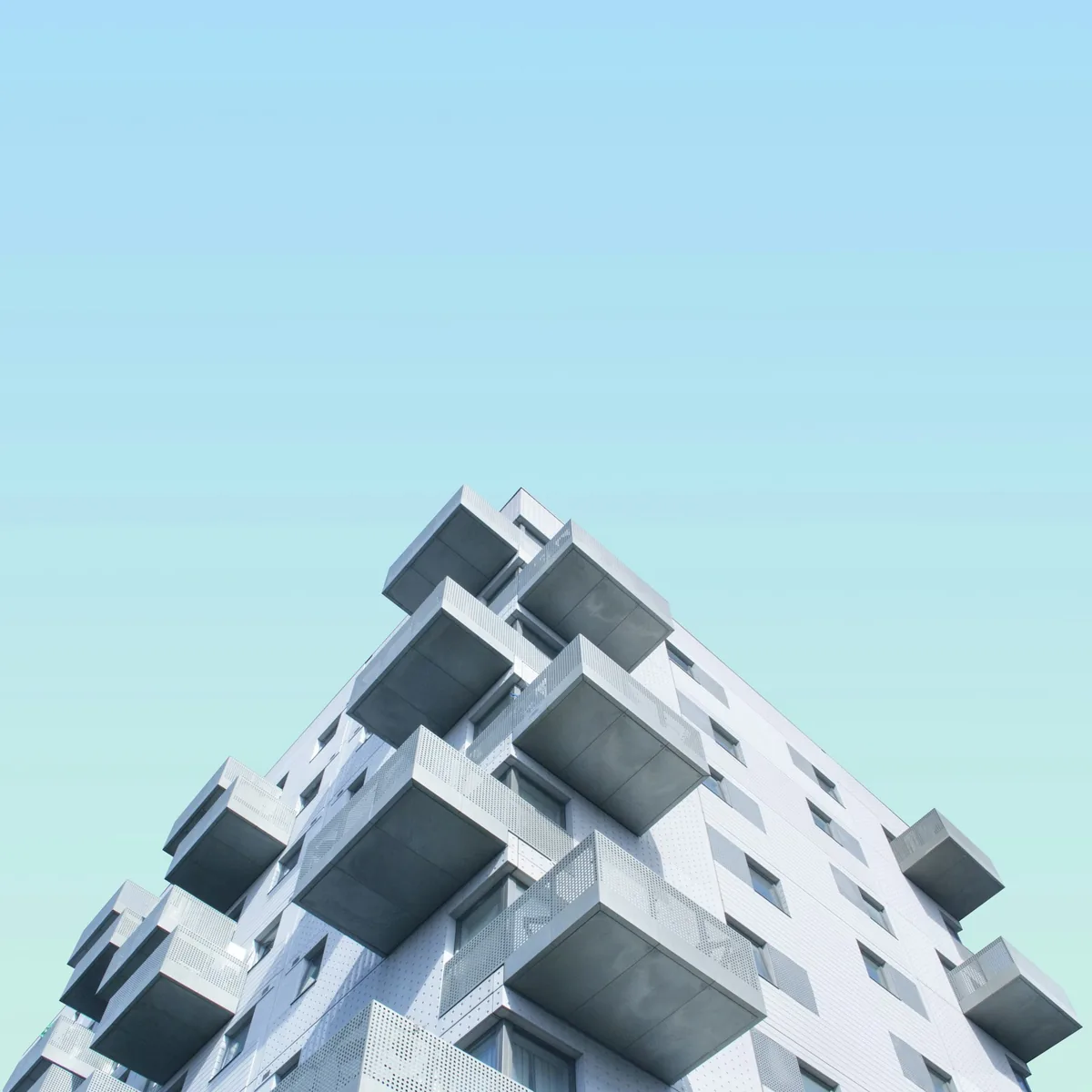
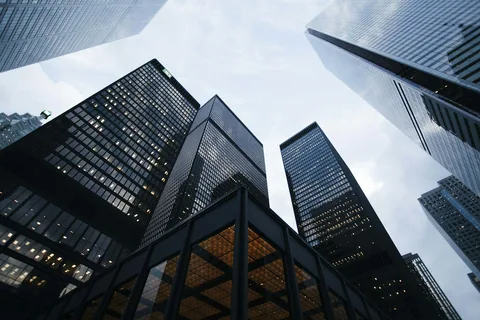
The transformation can leave blank wedges along the frame edges. Automatic cropping can hide them while also cutting off the roof. Inspect the full transformed frame first, then impose the required delivery ratio. If the crop removes an essential feature, ease the correction, try a wider source frame or retain a modest convergence. For a documentary or property image, a crop that depends on inventing missing architecture is a poor substitute for another camera position.
Give the next frame enough margin
On location, make a second, slightly wider exposure before you move on. If space permits, step back far enough to include the roof with less upward tilt. Keep people near the edges in mind as well as the building. Open both frames in the same layout and compare the detail actually retained after straightening. The wider original may deliver the tighter usable composition once its corners are trimmed.