Find the smallest thing you notice first
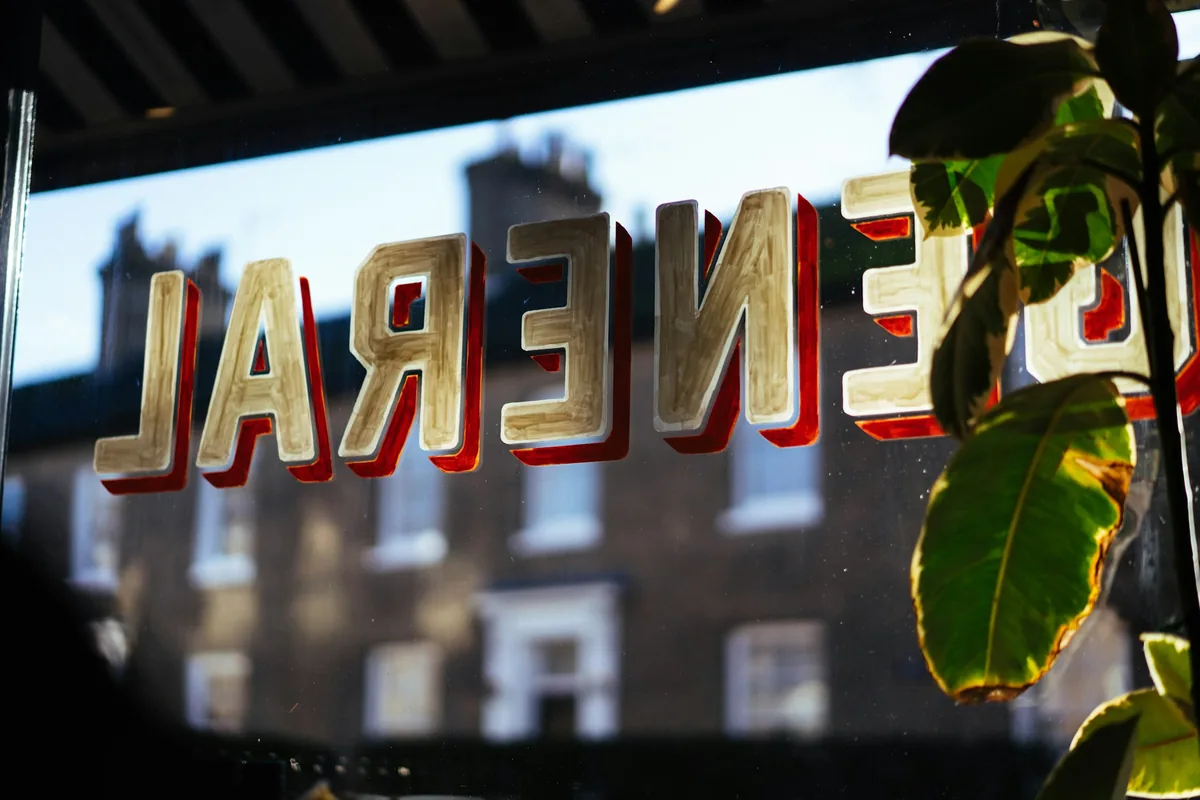
In a wet street, a few letters from a red sign can command more attention than a whole car door. Start there. Before raising the camera, name the two things you want someone to notice in order. Perhaps the first is the red lettering, the second its reflection stretching across the roof. If the subject is actually the shape of the roof, the very same bright letters may be taking attention away from it. That decision gives you a reason to change position.
Make three different proportions
Choose a stationary subject and a patch of contrasting color. Make a loose frame that includes the surrounding street. Step closer or change your framing until the accent occupies about twice as much of the picture. For the third image, reduce it to the smallest recognizable patch. Keep white balance and exposure consistent if the light permits. Compare the images as thumbnails. At what point does the little patch become a second subject? At what point is it too small to read? Those boundaries change with the scene and the intended viewing size.
Give the accent somewhere to sit
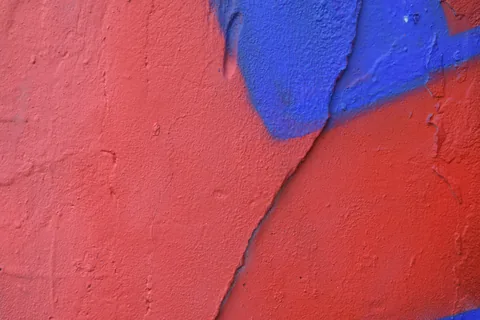
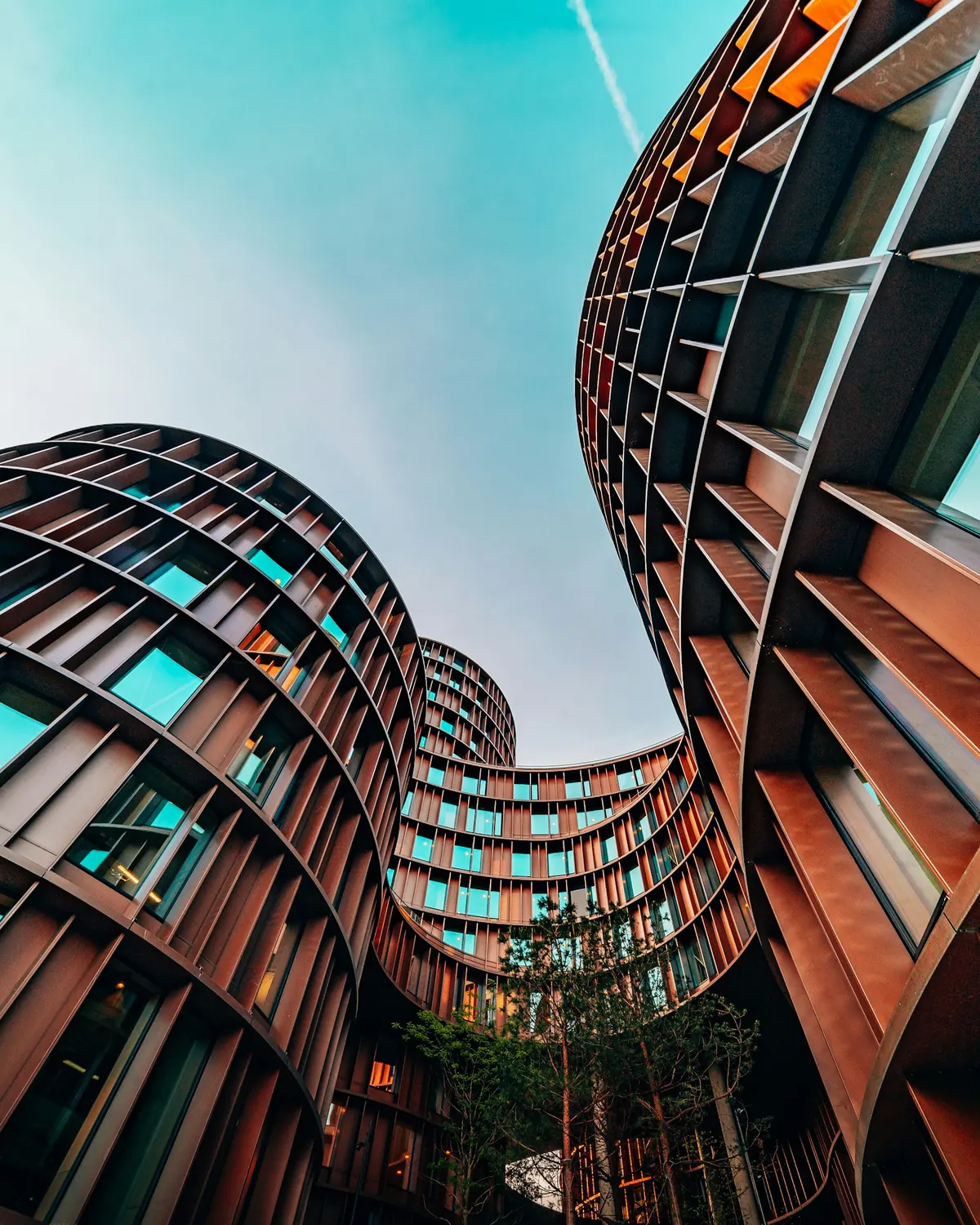
Look for a quiet neighboring surface. A red facade against blue sky offers a cleaner boundary than the same facade beside a bright billboard. Try a small sideways step before reaching for the saturation slider. If two patches have similar brightness, their color difference may be clear on a large display but their shapes may merge in a small print. A thin dark edge, a change of angle or a little more space between them can preserve the distinction.
Choose the frame by following your eye
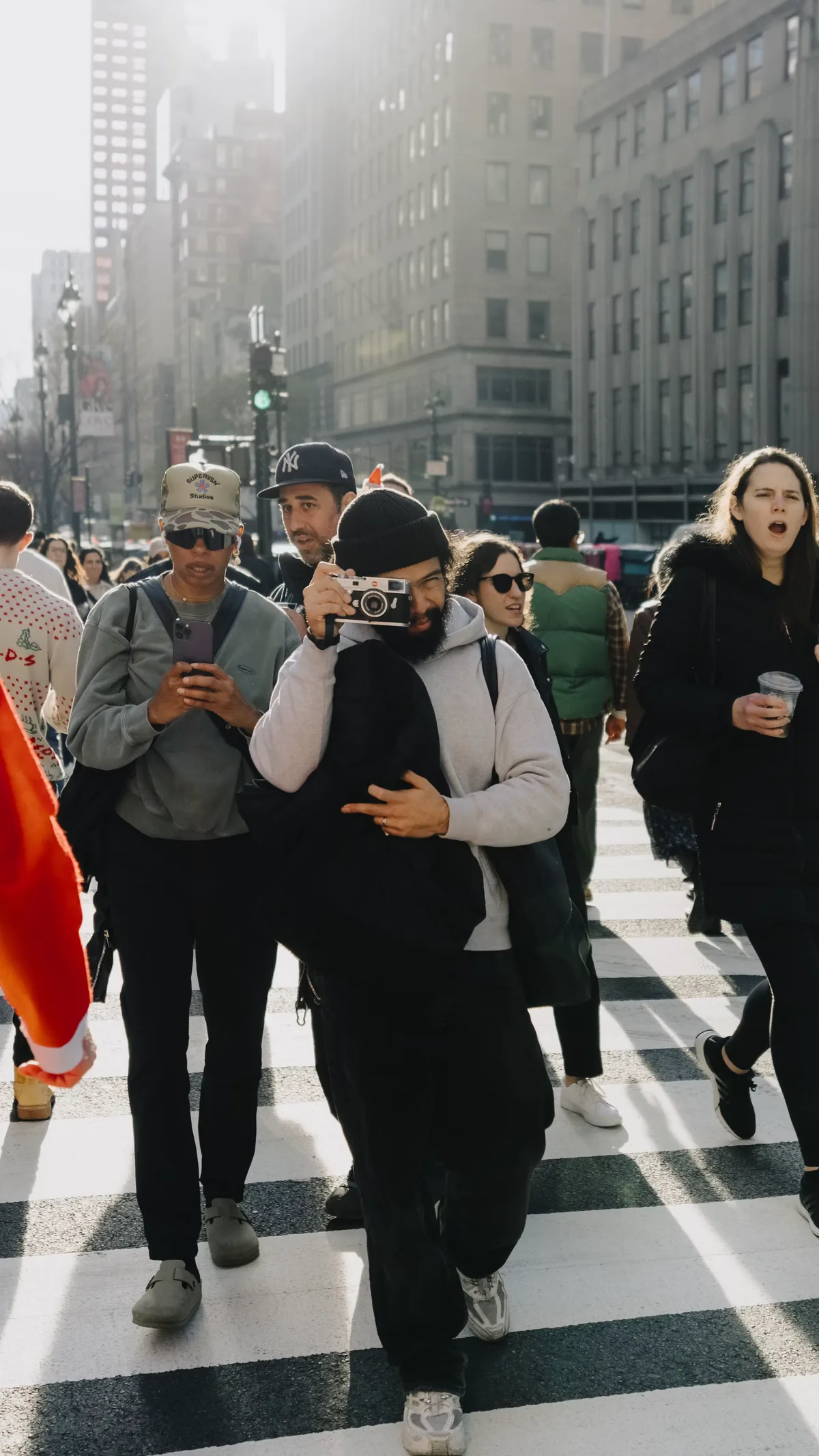
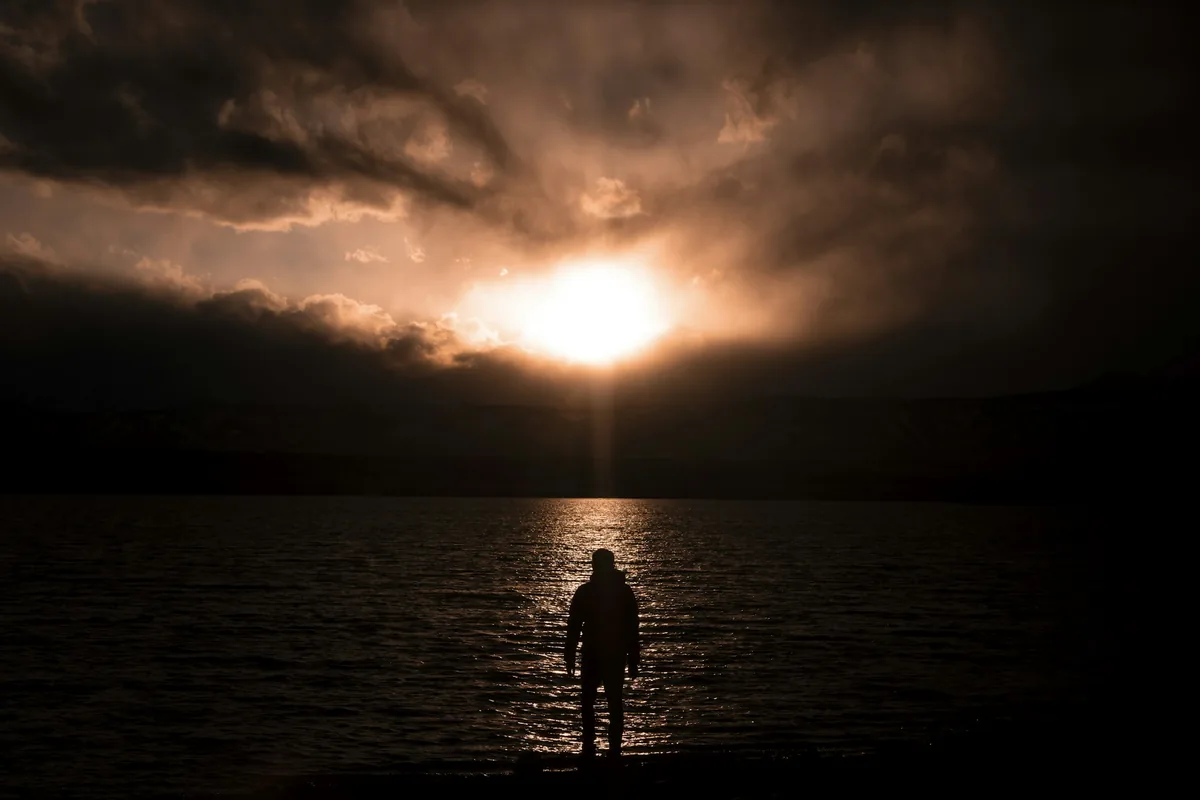
Set the pictures aside for a minute, then look again at normal viewing size. Say what you saw first and where you looked next. A warm sky broken by dark palms gives the eye a shape to follow even when neighboring hues sit close together. A red reflection against green light can create two competing points of interest. Keep the frame whose order suits the subject. If a bright corner wins every time, return to the scene and change just that corner. The three photographs here are independent examples of these color relationships.