What Canon has announced
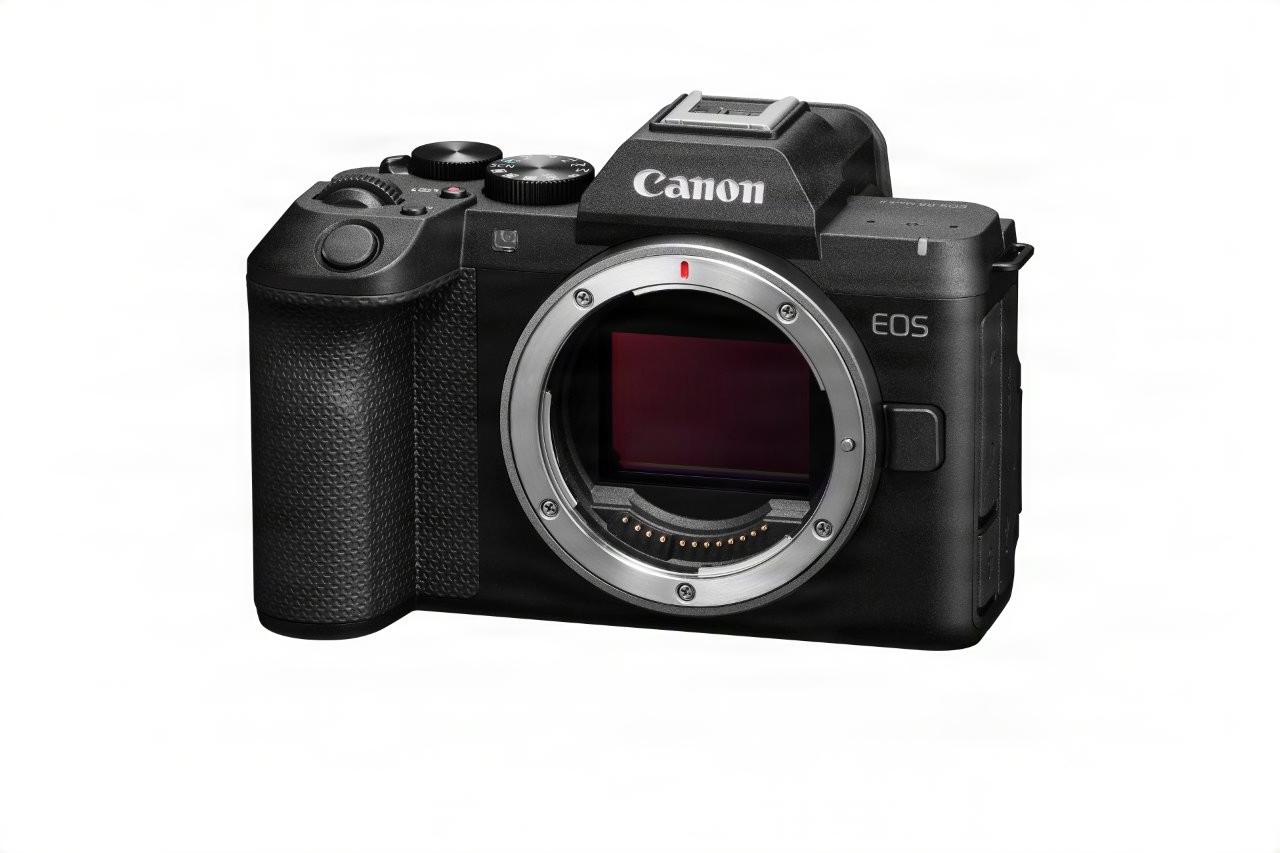
Canon’s EOS R8 Mark II is a new 24.2-megapixel full-frame mirrorless camera with five-axis in-body image stabilization and a rear autofocus joystick. The Singapore announcement is dated September 16, following the US announcement on September 15. Canon lists a weight of approximately 546g including battery and card. The important change is not a larger megapixel number: it is a more controllable handheld camera. We have not tested a production unit. The photographs here are Canon’s press images of the actual Mark II, not pictures of the original R8 or sample photographs made with the new camera.
Price and availability in the United States
Canon’s US announcement gives an estimated retail price of $1,899 for the body and $2,099 with the RF24–50mm F4.5–6.3 IS STM, with availability expected in late October. Its store currently lists the body on preorder with an October 20 estimated arrival. Treat that as a store estimate, not a guaranteed delivery date for every order. Check the dated status and contents of your own order before paying. A body-only purchase still needs a compatible lens, media and any additional power required for the assignment. Existing Canon owners should price the complete working kit rather than compare two body prices in isolation.
Stabilization helps with one kind of movement
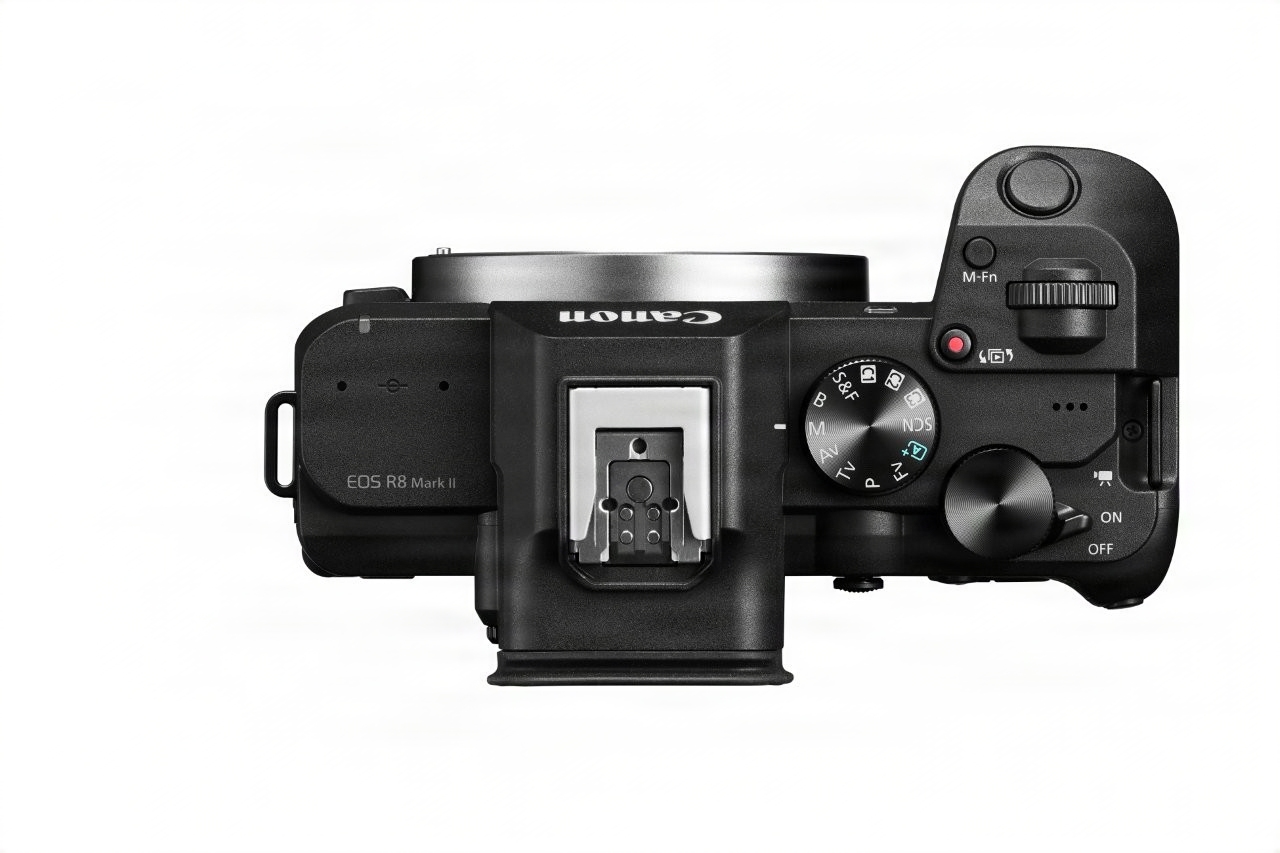
Canon rates coordinated stabilization at up to 7.5 stops in the center under specified CIPA conditions, using the RF24–105mm F2.8 L IS USM Z at 105mm. That is a conditional manufacturer measurement, not a promise for every lens or scene. Stabilization addresses camera movement; it does not stop a person walking through the frame. Our practical suggestion is to separate those problems when testing: photograph a still subject at several shutter speeds, then repeat with someone moving. If the surroundings are sharp but the person is blurred, increasing shutter speed is the relevant experiment. Do not judge a system from one unusually successful long exposure.
The joystick deserves a hands-on check
Canon Australia’s comparison identifies the joystick, people-priority registration and pre-continuous shooting as additions over the original R8. Both cameras retain the same stated sensor resolution and DIGIC X processor. For a working photographer, the useful question is whether the new controls make choosing the intended subject easier. Try selecting an off-center subject without taking your eye from the finder. Then repeat while wearing the gloves or carrying the strap you normally use. A control can look well positioned in a studio photograph yet feel different in your own hand. The new grip and control layout are reasons to try the camera, not proof that an upgrade is necessary.
Video specifications are a starting point
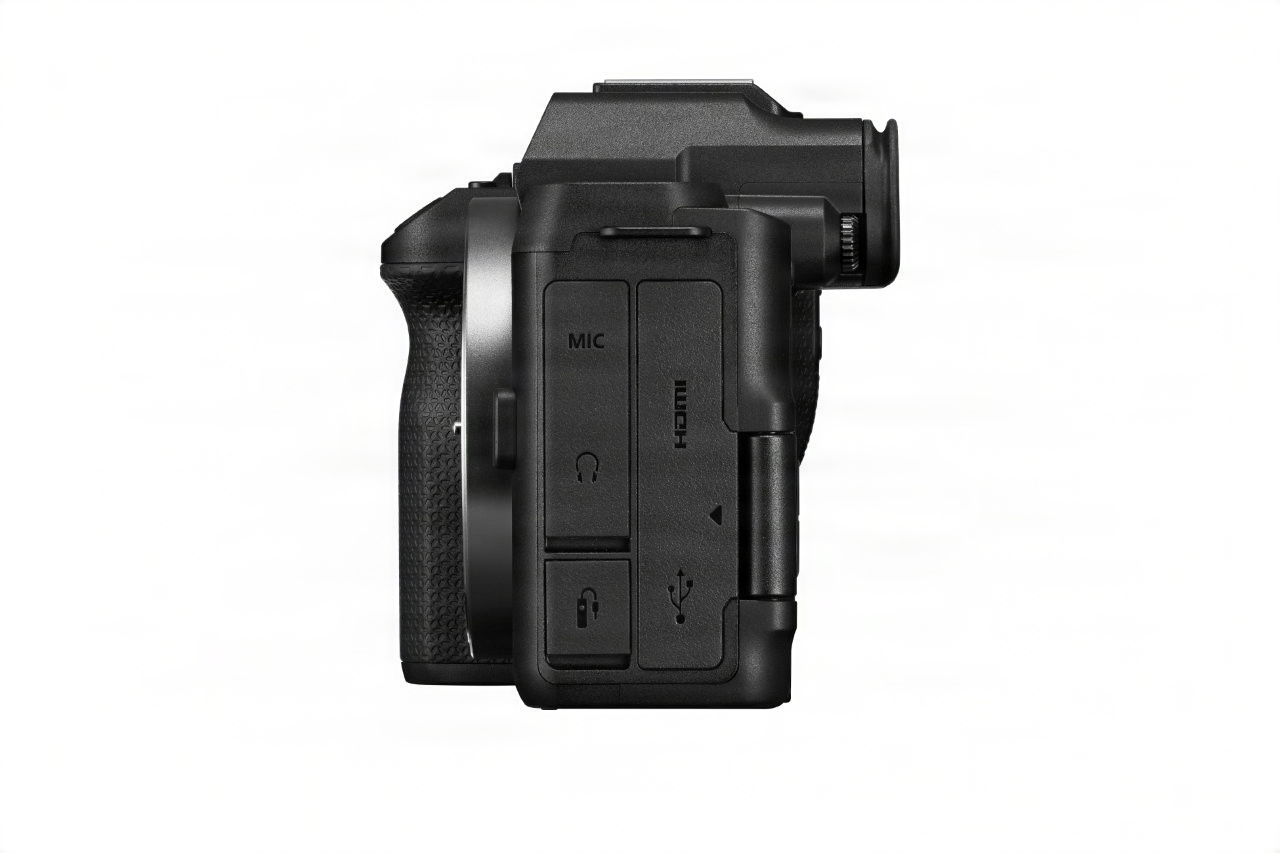
Canon specifies 6K-oversampled 4K at up to 60p, Canon Log 3 and Custom Picture support. Before choosing a recording setup, check the exact mode’s media requirements, crop, power needs and operating limits in the current documentation. For a real assignment, record a representative continuous take in the conditions you expect to encounter, then import the files into your editor. Inspect color, sound and focus transitions, not just whether the file opens. If the project needs a wide handheld establishing shot and a long interview, test both: they stress different parts of the system. A specification list cannot replace that rehearsal.
An upgrade decision built around missed pictures
Start with the limitation of the camera already in your bag. Do you lose static handheld pictures to camera shake, struggle to place the focus area, or need a workflow feature missing from the current body? Those are specific reasons to investigate the Mark II. If the recurring problem is insufficient light on a moving subject, an unsuitable lens or inconsistent technique, a new body may leave it largely unchanged. Keep a short list of the photographs you could not make and test the proposed replacement against it. Our launch assessment is therefore conditional: the R8 Mark II adds useful handling and stabilization features, but the value depends on the work—not simply on being the latest version.