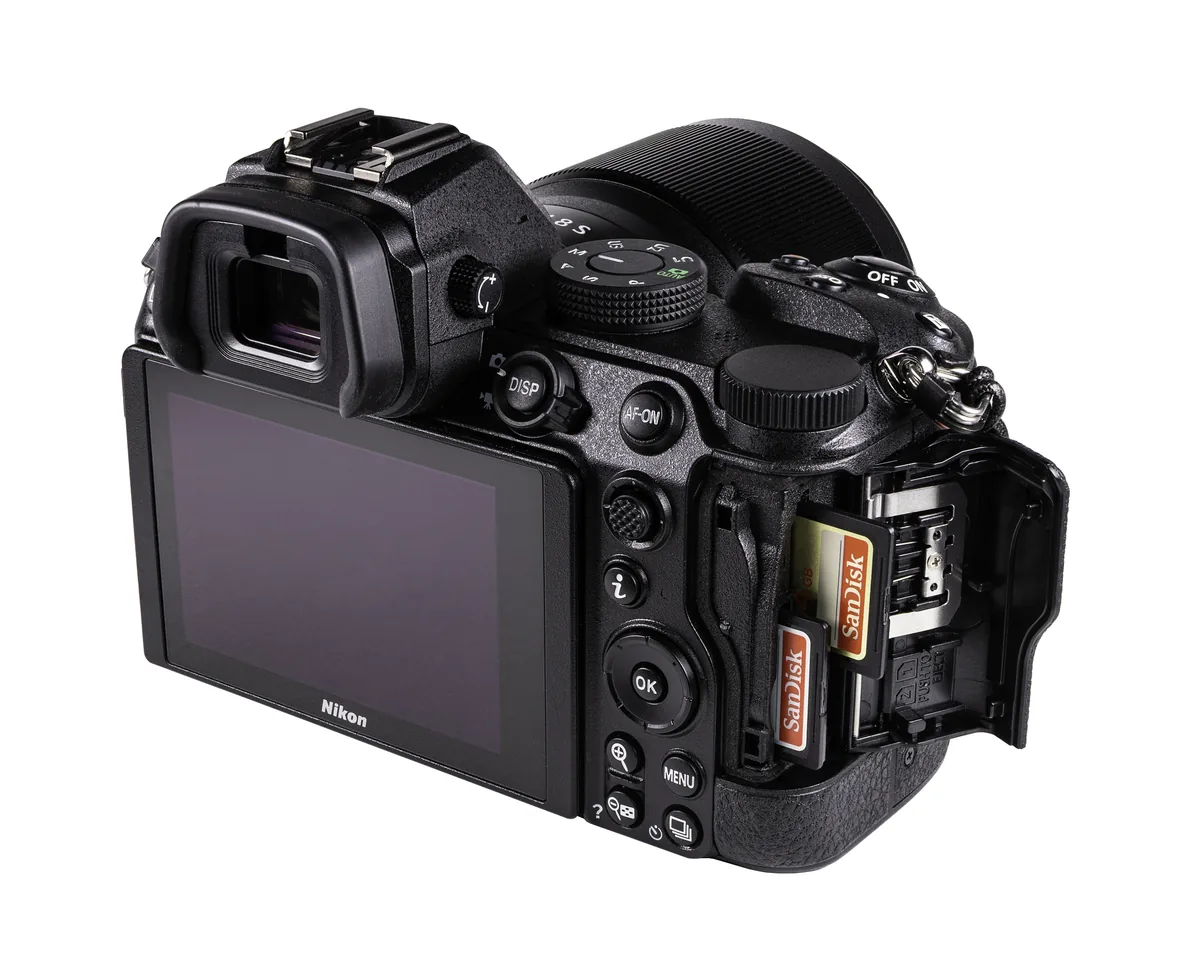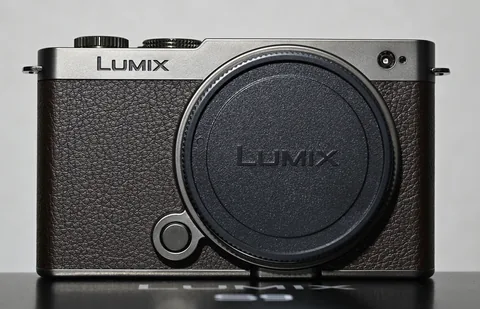
A split picture in the latest release
CIPA published its September 2026 digital-camera statistics on November 2. Worldwide shipments reached 748,169 units in September, down 12.1% year over year. January–September shipments totaled 6,451,681, down 4.3%. Within that cumulative total, built-in-lens cameras reached 1,931,853 units, up 15.4%, while mirrorless cameras reached 4,179,988, down 7.9%. These are participating manufacturers’ shipment figures, not a count of photographs taken or retail purchases.
Read the coverage note first
CIPA says an additional company entered its digital-camera statistics from January 2026 and that year-on-year figures reflect this coverage change. The table does not isolate its contribution, so the increase is not an unchanged-sample measure of demand.
Units and value answer different questions
The January–September total shipment value was 647.94 billion yen, up 2.2%, despite the lower unit total. Mirrorless shipment value increased 1.8%. A higher aggregate value does not, by itself, prove that every camera became more expensive. Product mix, destinations and the composition of reporting companies can all affect an aggregate. A useful reading separates the number of units from their combined reported value before attempting an explanation.
Keep the comparison period visible
When discussing any monthly industry table, write the period beside every percentage. A month can rise against its predecessor while falling against the same month a year earlier. Those statements are compatible: they answer different questions. For a personal research sheet, use separate columns for the month, the year-to-date total and the corresponding comparison basis. Leave a space for coverage notes. That small habit prevents a dramatic monthly headline from being mistaken for an annual trend, and makes later releases easier to compare without rewriting the earlier record.
A category is not a buying recommendation
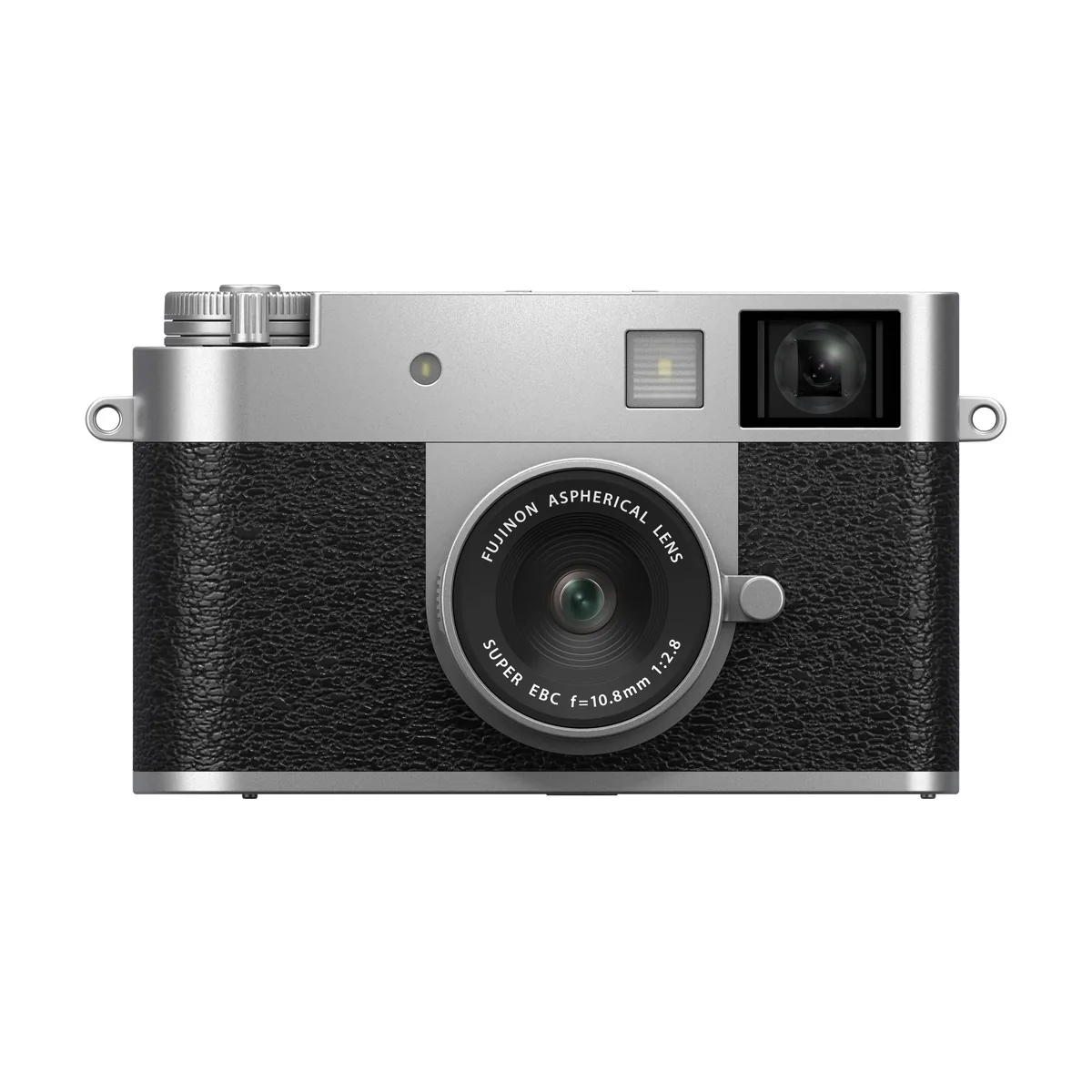
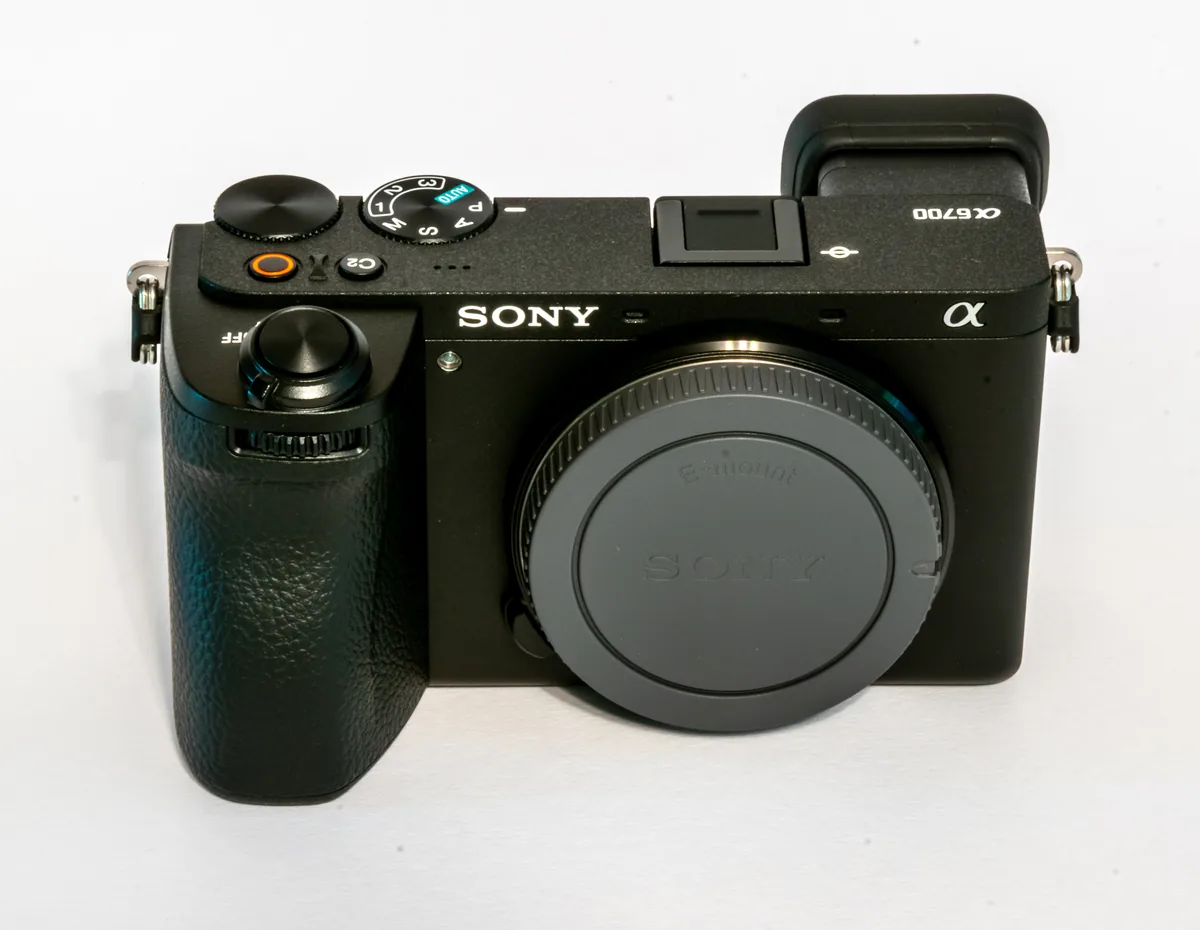
Our editorial reading is that a category-level report should start questions, not settle a purchase. Someone choosing a small everyday camera still needs to check handling, viewfinder preference, lens coverage and whether the camera fits the bag they actually carry. Someone investing in an interchangeable-lens system needs to consider lenses, service and the complete working kit. The photographs here illustrate camera categories; none establishes model-level sales or a manufacturer’s market share. We have not used the aggregate figures to rank individual cameras.
Use the report without overreading it
For a retailer or photographer planning equipment, keep shipment data separate from a dated availability check. An aggregate cannot tell you whether the particular body, color or lens you need is on a local shelf. Record the exact kit, retailer, delivery commitment and return conditions before making a time-sensitive decision. Our price-and-availability guide explains that distinction. If your current camera already meets the assignment, these figures supply industry context rather than a deadline to replace it. Future releases can extend the series; they cannot turn this report into evidence of an individual buyer’s motives.