A classified focal length returns
Leica’s newest M lens begins with an unusually specific number: 66 millimeters. The Summicron-M 66 f/2 is a modern reinterpretation of the Elcan 66mm f/2 designed by optical engineer Walter Mandler at Ernst Leitz Canada in the late 1960s. Leica says the original was commissioned for covert reconnaissance work by the U.S. Navy and produced in a run of only about 200. The new lens takes that restricted history and turns it into a commercial collectible, albeit another scarce one: worldwide production is limited to 660 individually numbered units.
Why 66mm instead of 50mm or 75mm?
The focal length falls between a conventional normal lens and a short portrait lens. On full frame it offers a narrower field of view than 50mm, with a little more compression and subject separation, but without the more distant working position that often comes with 75mm or 90mm. Leica describes the original 66mm choice as an optical solution rather than a stylistic flourish: Mandler was trying to combine very high resolution, an f/2 aperture and a discreet body. For present-day photographers, that translates into a perspective suited to portraits, details and reportage where context should remain visible.
A classic optical formula, updated
The modern Summicron uses six elements in five groups, echoing the original concept while adapting it to current standards. It focuses down to one meter, weighs approximately 456 grams and accepts E49 filters. Its nine-blade diaphragm closes to f/16 in half-stop clicks. Leica promises soft bokeh with strong contrast at wide apertures and increasingly precise detail as the lens is stopped down. Those are manufacturer claims rather than a laboratory verdict; the lens’s real character will need to be judged from full-resolution files and careful independent testing.
The mechanics preserve the oddities
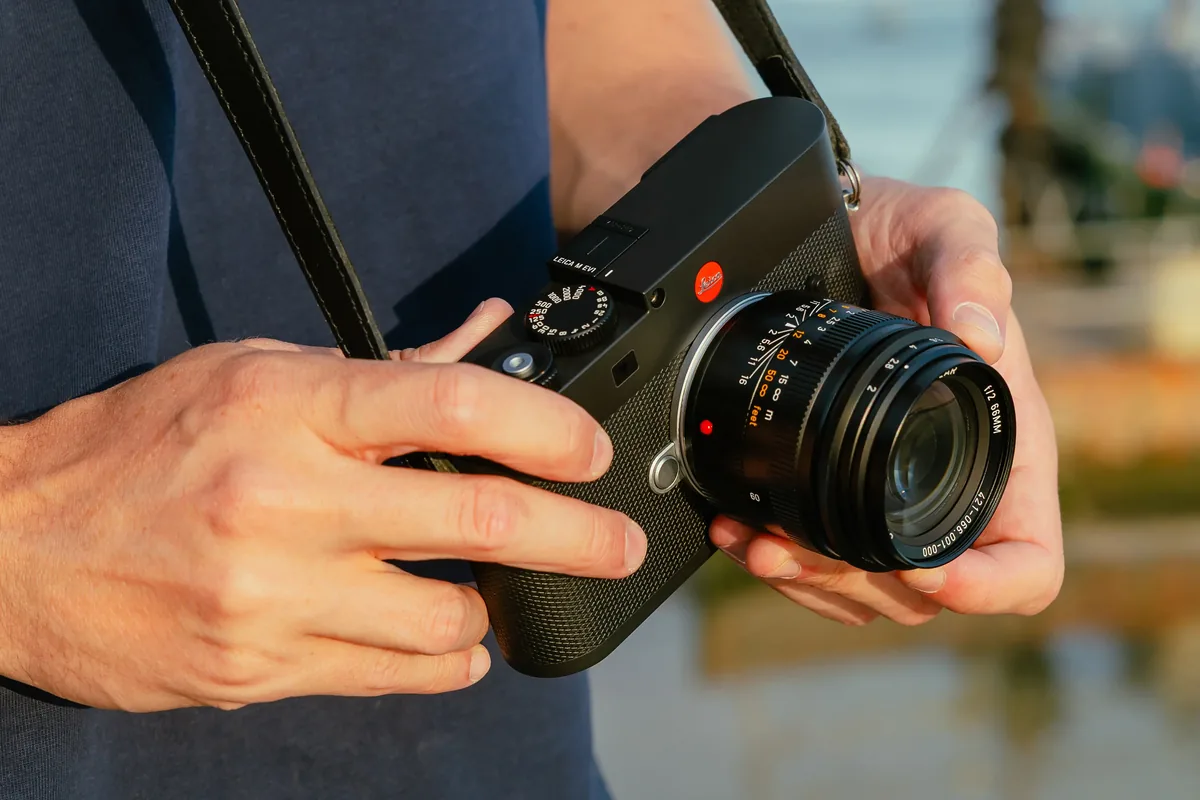
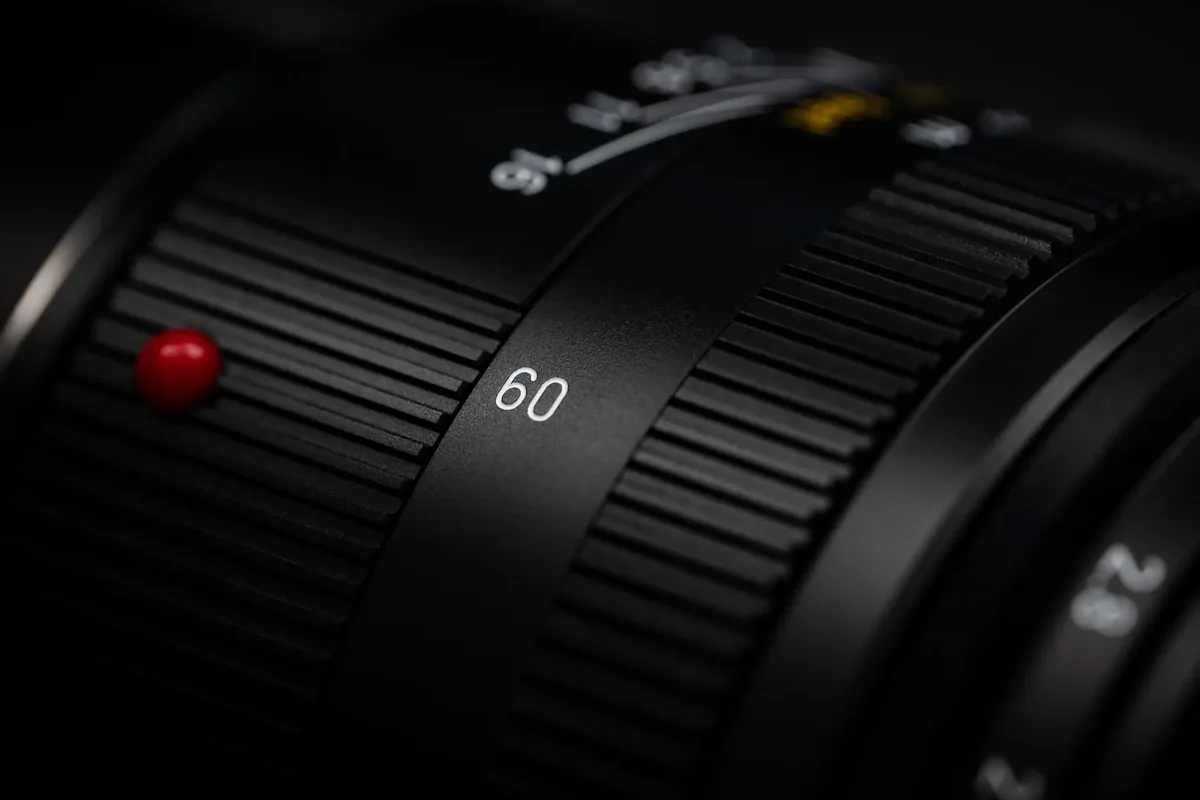
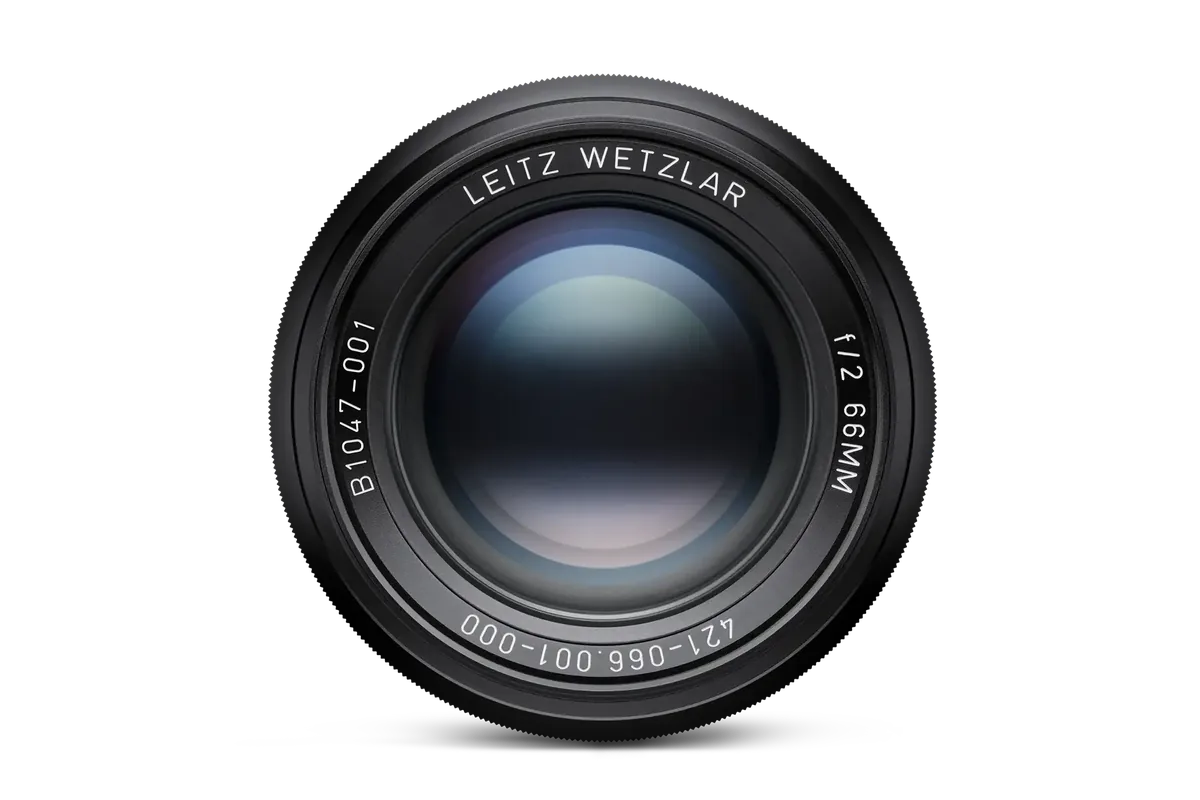
Leica has deliberately retained details that make the lens feel unlike a standard M optic. The aperture ring rotates in the opposite direction from most current M lenses, and the arrangement of the distance scale follows the military specification. A small “60” engraving on the barrel is not a focal-length typo: Leica says it records an individually measured 66.0mm focal length using the historical convention of omitting the decimal point. The front ring also carries the B1047 optical calculation number, a material number and each lens’s unique edition number.
What it is like to use
This is a fully manual-focus M-mount lens with no optical stabilization and no autofocus motor. On a rangefinder, focusing at f/2 will reward deliberate technique, especially near the one-meter minimum distance. It can also be adapted to Leica SL bodies, where magnified live view and focus assistance make critical placement easier. The 60.1mm length and roughly 60mm diameter keep the lens compact by modern standards, but its weight is substantial enough to make balance worth testing on the specific body a buyer intends to use.
Price, release date and availability
The Summicron-M 66 f/2 went on sale worldwide on September 3, 2026. Leica’s official U.S. store lists it at $10,900, while the European recommended price is €9,850 including VAT. Production is capped at 660 units, and Leica limits online purchases to one per customer in the United States. Lens number 001 is being held for a Leitz Photographica Auction in Wetzlar in November 2026, giving the first serial number a separate life as a collector’s object.
The Camera Post view
At this price, the Summicron-M 66 f/2 is not a rational alternative to a modern 50mm or 75mm lens. It is a small production object built from optical history, mechanical peculiarity and scarcity. The interesting part is that Leica did not simply copy an old exterior: it preserved the reversed aperture movement, unusual scale and exact-focal-length engraving that explain where the lens came from. Photographers considering it should decide whether they want its pictures, its history or its collectibility—because the price demands a clear answer.