The SL3-P is a professional body, not a casual luxury item
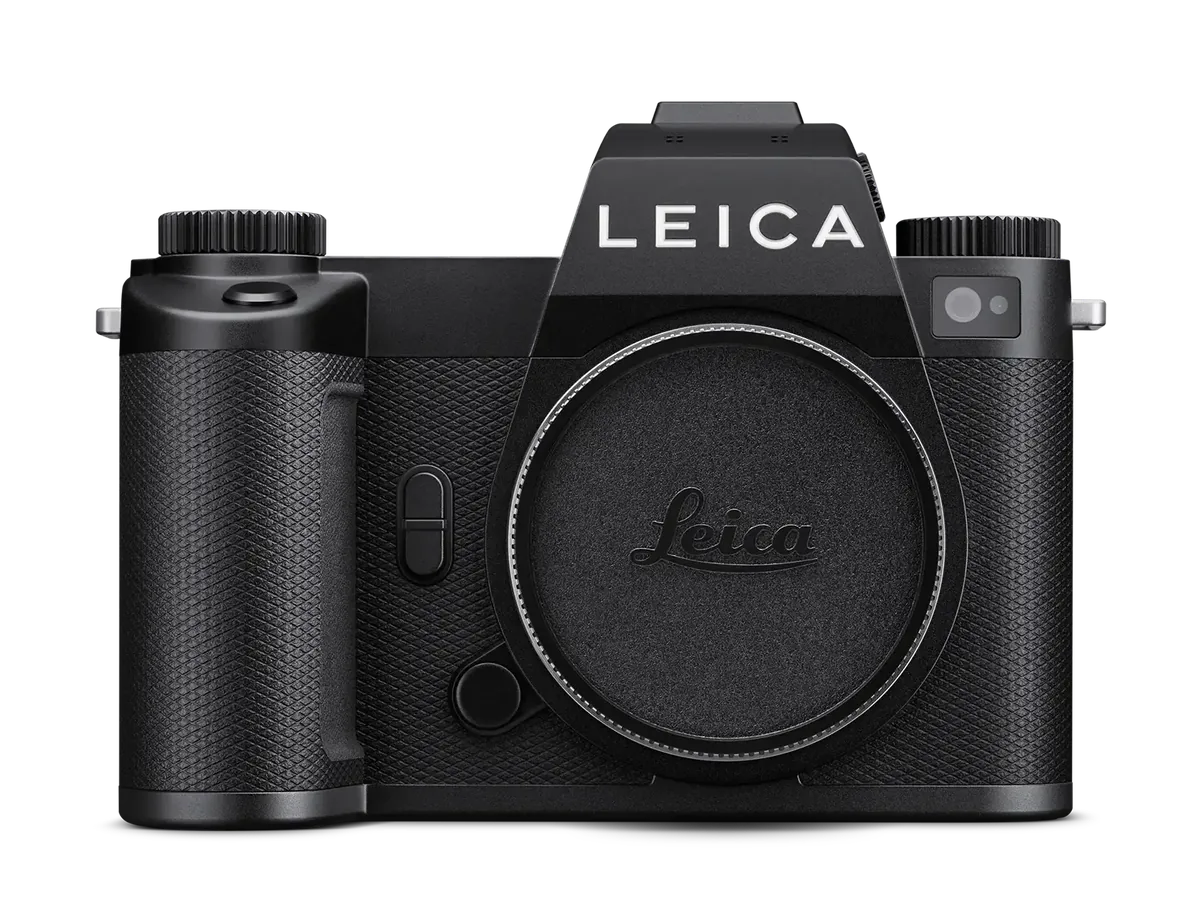
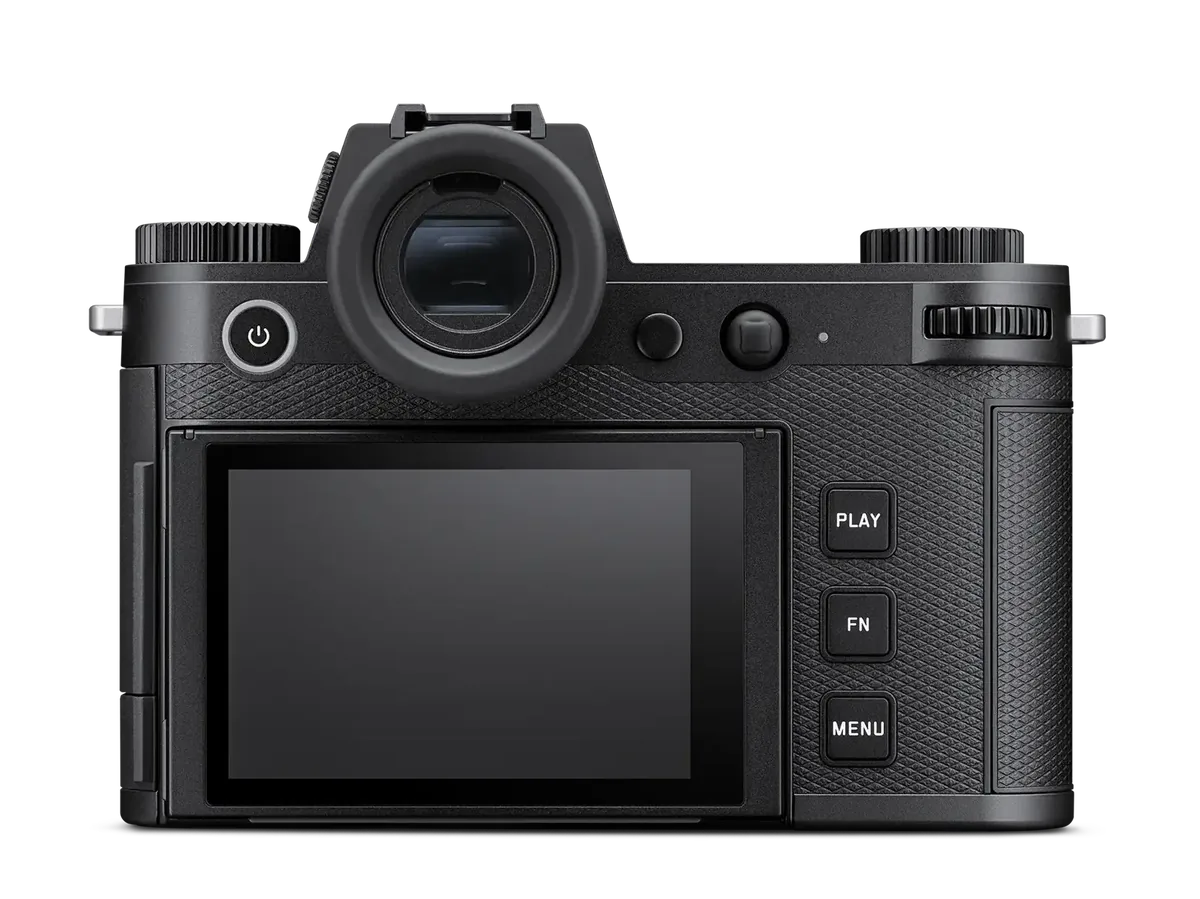
Leica’s SL3-P is the kind of camera that can be judged in a very practical way: it is built for photographers and filmmakers whose assignments require speed, still-image quality and a system that can move between documentary, commercial and motion work without becoming a second job. The headline spec is the 44-megapixel backside-illuminated full-frame sensor, but the more meaningful story is the body’s decision to pair that resolution with a fast burst rate, a serious AF system and full video capabilities. This is not a camera that asks for a “maybe” answer. It asks whether a photographer has the assignments to justify the cost and the workflow.
The sensor matters because it gives room without making the body difficult to use
A 44-megapixel sensor is not just a data point. It gives a working photographer more room to crop, more detail for portrait and commercial work and enough density for a body that may also be used for motion capture. The crucial point is that Leica is not pairing the sensor with a casual, low-throughput workflow. The SL3-P brings a fast burst rate up to 40 frames per second and a hybrid autofocus system with 819 points. That combination is what makes the body feel proactive rather than merely technical.
Speed changes the camera’s role on an assignment
One of the strongest reasons to consider the SL3-P is that it can function as a fast editorial stills camera and still hold enough range for event, sports and short film assignments. The ability to move quickly matters more than a single impressive number because most professional photographers do not shoot in one category all day. They may begin with portraits, move to an event, then capture a testimonial video or a motion clip. A body that can handle those changes without a dramatic drop in quality is valuable because it reduces system friction and can be easier to keep with the photographer through a full production day.
The question is not whether the SL3-P is impressive—it is whether it is the right kit
At roughly $7,000 in US-dollar terms before local taxes, rebates and accessory costs, the SL3-P is a serious purchase. Leica’s official pricing and sales status place it into the category of a flagship body that belongs in a professional workflow, not a hobby kit. That makes the buyer’s question sensible: what does this body replace, what does it add and what kind of work can justify the additional cost beyond the technical appeal? The right answer is not “it’s expensive,” but “it matches the work this photographer actually does.”
A body is only as good as its lenses and support systems
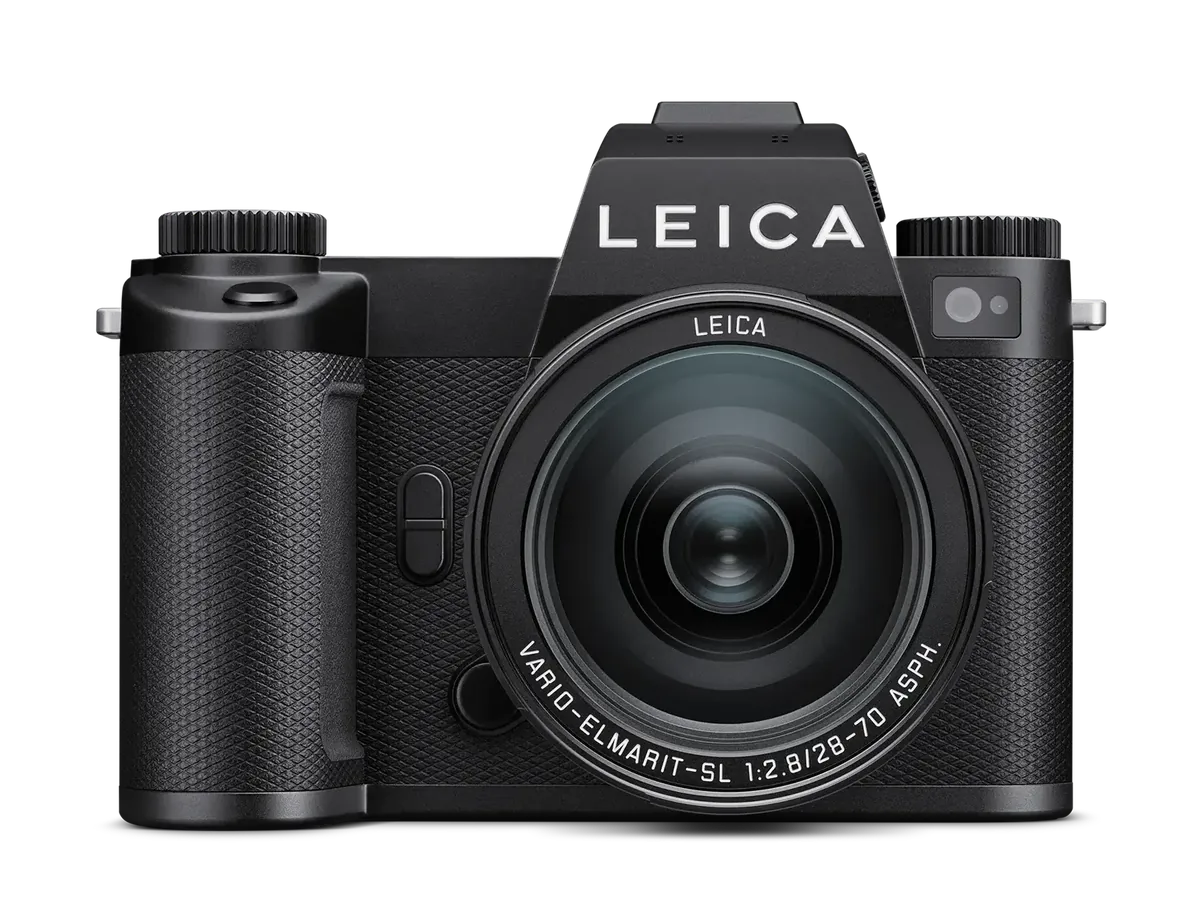
The SL3-P should be evaluated as a system, not as a camera alone. Leica’s native SL lenses, compatibility choices and storage demands matter because a high-resolution professional body creates substantial file volume and demands reliable ingest and editing. A purchase decision should include a realistic check of battery life, storage strategy, backup plan and whether the work can be delivered in the time required. The camera’s value grows when it reduces compromise across the whole shooting day, not when it merely offers a fascinating spec sheet.
Why this lens-body relationship matters to hybrid shooters
For hybrid stills and video photographers, the SL3-P is compelling because it sits at the center of a real professional workflow rather than at the edge of a consumer ecosystem. It offers still-image quality for editorial work and motion features that feel like a serious production tool. That makes it especially relevant for photographers who need a compact but durable system without carrying a full cinema package or multiple bodies. The real advantage is not a single metric; it is the reduced need to choose between quality and speed in the field.
A practical guide to buying one
Before buying, test the ergonomics with the lenses you actually plan to use. Check the balance, button placement and how the camera feels in your hand during a full-day assignment. Review buffer performance under continuous shooting and make sure your editing workflow can handle 44-megapixel raw files. If you are a mostly stills photographer, ask whether the gain in workflow flexibility matters enough to justify the price. If you split time between motion and stills, the same body may be easier to defend because it reduces the need to switch systems or compromise in the middle of a demanding assignment.
The practical verdict
The Leica SL3-P is not a camera for everyone. It is for a photographer or team that values a premium system, expects a serious hybrid workload and can use the speed, detail and body design without treating the purchase as a speculative investment. If that description matches your work, the SL3-P becomes a compelling professional tool. If it does not, the right answer is to keep renting, continue building the current system or wait until a different body more closely matches the actual assignments at hand.
The Camera Post view
Leica’s SL3-P is less about a headline “best camera” argument and more about the quiet power of a well-matched professional system. It is the kind of body that earns its place when a photographer needs to move quickly, shoot in detail and preserve options for motion work without carrying a different kit. That practical value matters far more than any one specification. The final decision should be guided by the work the camera has to do, not by a desire to own one of the most expensive hybrids on the market.