A small camera with a more familiar shape
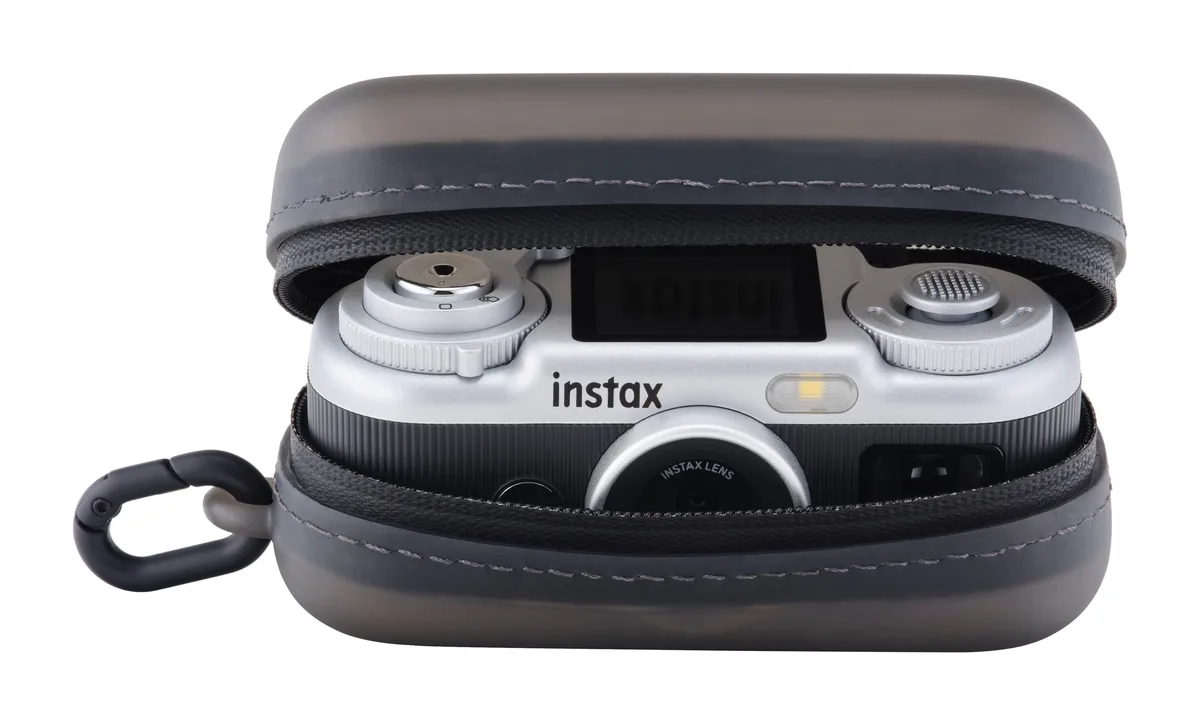
Fujifilm has announced the instax Pal 2, a pocket-size digital camera with a viewfinder, a top-mounted screen and physical controls. The company’s September 15 global announcement gives October 9 as the Japanese release date; its North American announcement puts US availability in late September at $169.95. Those are different regional schedules, not a worldwide in-stock promise. The important qualification is in the product category: despite the instax name, this camera does not eject a photograph. It captures a digital image that can be printed through a compatible instax device. That distinction should come before any discussion of its retro styling.
What the price actually covers
The announced US price is for the camera, not a complete unlimited-printing system. A compatible printer or supported hybrid camera and the appropriate film add to the total unless a retailer explicitly includes them in a bundle. B&H lists the Pal 2 at $169.95 on preorder, with an estimated September 29 shipping date at the time of writing. A retailer estimate is not a guarantee for every order. Check the delivery date attached to your own order, the return conditions and the contents of the box. If buying it as a gift, make sure the recipient has a way to obtain prints rather than assuming one is built in.
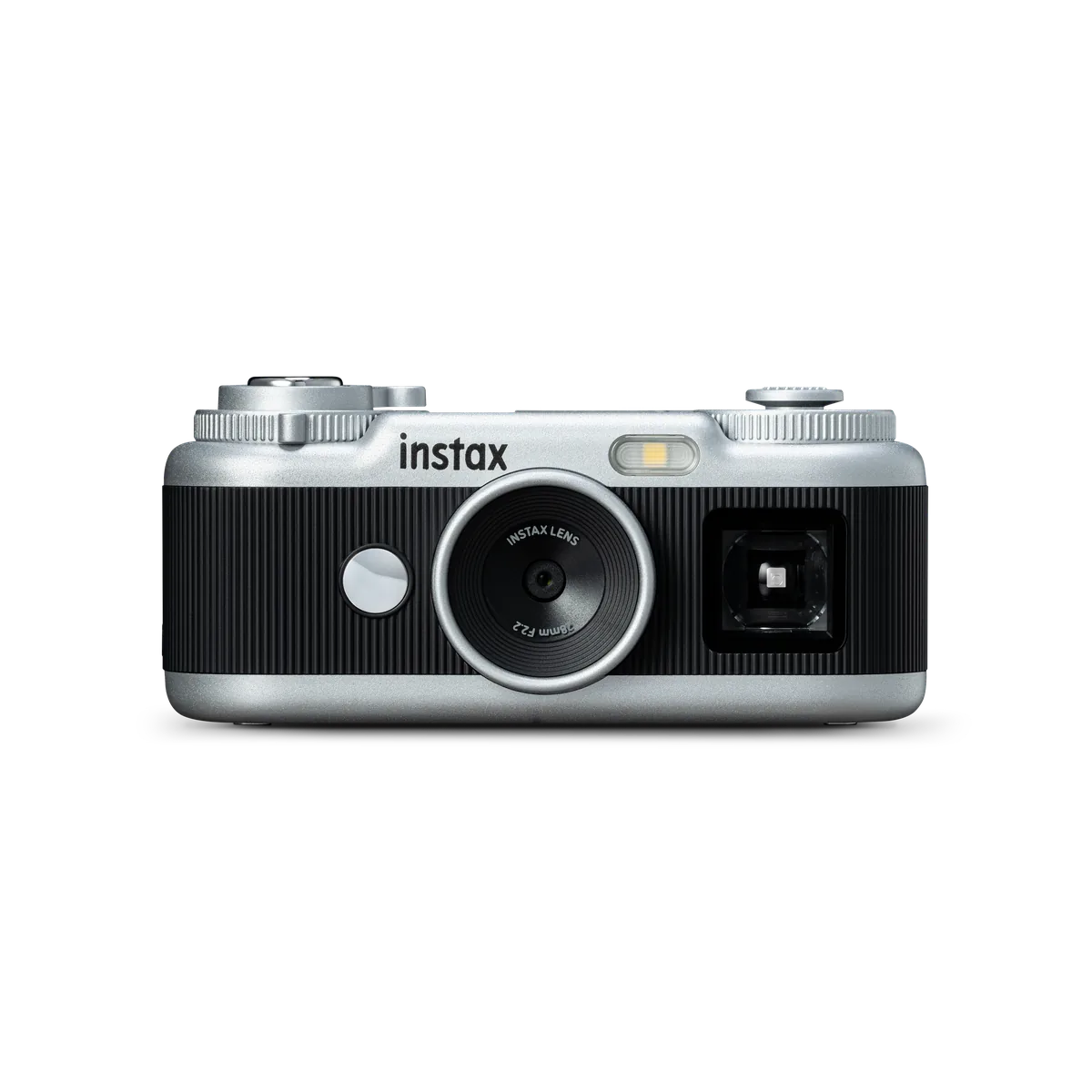
The controls matter more than the nostalgic silhouette
Fujifilm describes a finder, a dial and a lever as part of the redesigned shooting experience. The monitor lets users review pictures on the camera. These changes address a practical question for a miniature digital device: can you frame, shoot and check a photograph without immediately reaching for a phone? Our suggested hands-on check is simple. Try holding the camera, looking through the finder and operating the shutter with the grip you would use outdoors. Then review a picture in the available light. Those actions will reveal more about personal usability than judging the product solely from the supplied studio photographs shown here.
Read the file specification as well as the megapixel number
Fujifilm’s Japanese specifications list JPEG capture at up to 3776 × 2832 pixels, approximately 10 megapixels, with a 28mm-equivalent f/2.2 lens. There is no optical zoom. The same specification distinguishes full-resolution USB transfer from a smaller 1280 × 960 Bluetooth transfer. That matters if you want to archive the largest file rather than only share a phone-sized version. Confirm the transfer behavior in your regional instructions before deleting anything. A megapixel label describes the recorded dimensions, not a measured guarantee of fine detail, low-light quality or print performance. We have not independently tested those qualities on a production camera.
Effects and animations are creative options, not a video system
The announcement describes 30 selectable effects and an animation feature combining up to ten photographs. These can encourage a short visual sequence: a repeated gesture, an object changing position or several expressions made from one viewpoint. Plan the sequence before pressing the shutter so the effect supports an idea instead of concealing an unclear picture. The animation feature should not be confused with a conventional video camera workflow. Readers who need sustained recording, external audio and an editing pipeline should establish those requirements separately. A playful still-image tool can be useful without being asked to replace equipment designed for a different assignment.
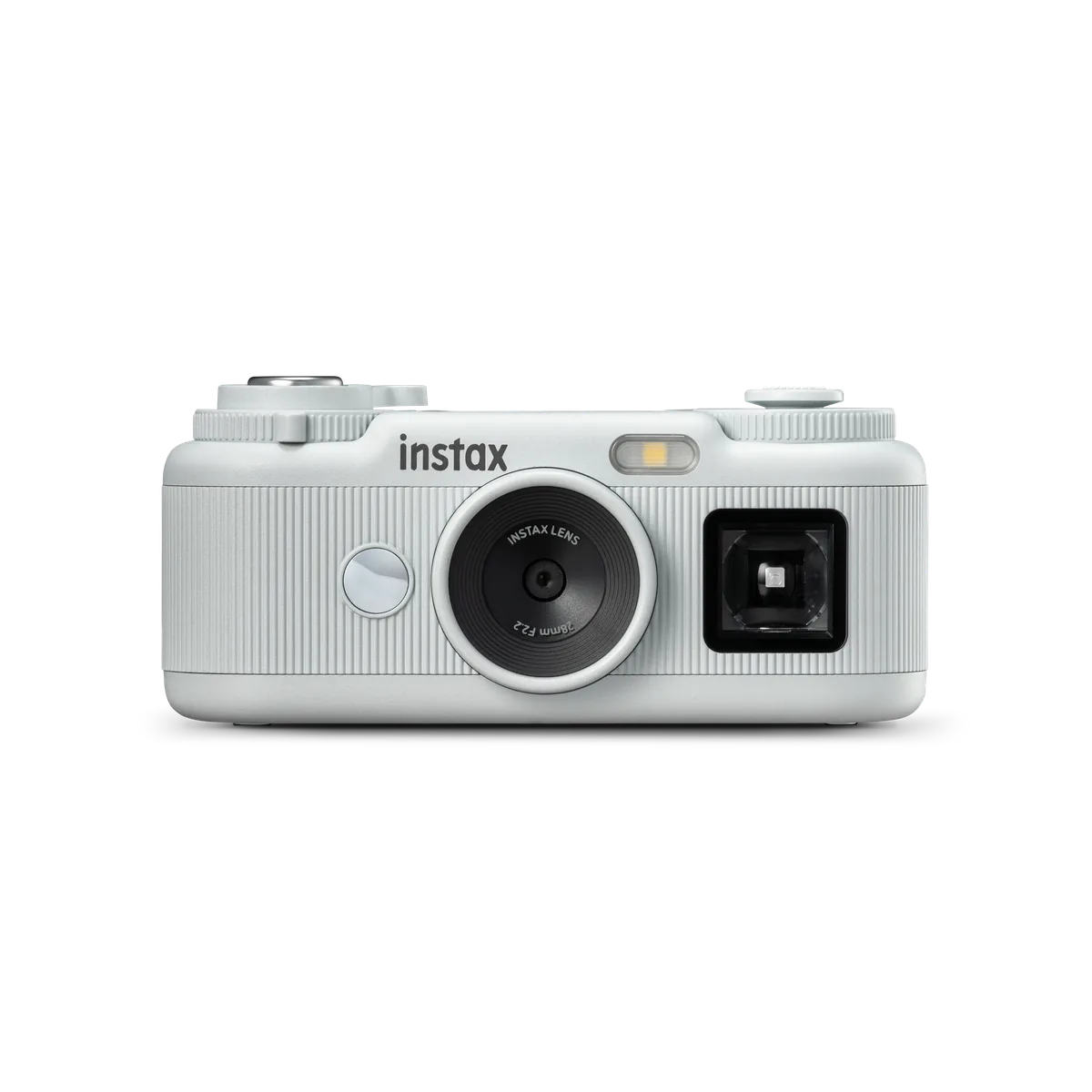
Choose the print before choosing the system
Before adding a printer, decide what you want to do with the finished photograph. A small keepsake for a journal, a gift passed around a table and a wider scene for a display are different outputs. Check which instax formats the proposed printer accepts and which app or direct connection the camera requires. Buy a modest amount of the correct film for a trial rather than stocking up on a format you have not seen. Make several representative photographs, including a face and a scene with dark and bright areas, and judge actual prints. A screen preview alone cannot tell you whether the physical result suits the project.
Who is the Pal 2 for?
The Pal 2 makes the most sense to investigate as a small, tactile alternative to taking every casual photograph on a phone, especially for someone already using compatible instax printing hardware. For a first-time buyer, the complete cost and the steps between capture and print deserve equal weight. Ask whether separating those steps is convenient: you can choose what to print, but you must manage another device or connection. The launch documents establish the design, price and regional timing; they do not establish that this is a better camera than the one you already carry. We would make that decision from handling it and seeing its files and prints.