What changed in the quarter
Sony says it sold fewer units in its imaging business during its fiscal second quarter and faced higher memory costs. At the November 5 earnings briefing, Chief Financial Officer Lin Tao pointed to weaker conditions in China. Management said new products helped Sony gain market share and that a shift toward higher-value products softened the impact on earnings. The remarks cover the three months ended September 30. They describe the company’s assessment of its business, including the role it assigns to its product lineup.
How volume and share can move in opposite directions
A gain in share does not require a gain in units. Imagine a market shrinking from 100 cameras to 80 over two quarters. A supplier going from 20 sales to 18 would sell fewer cameras but take 22.5 percent of the smaller market, up from 20 percent. Those numbers illustrate the arithmetic. Sony did not give a share percentage or specify its basis in this passage. Its statement alone cannot establish a ranking for a particular country, mount or camera category.
The two meanings of imaging in Sony’s report
For camera readers, the relevant comments are in Entertainment, Technology & Services. Sony’s supplemental information defines Imaging there as equipment and solutions for making images and video, including interchangeable-lens cameras and lenses. Imaging & Sensing Solutions is a separate segment. Its semiconductor results include demand from makers of other devices. Using that segment’s profit as a proxy for Alpha camera earnings would mix a component business with sales of finished equipment.
What the figures can tell a camera owner
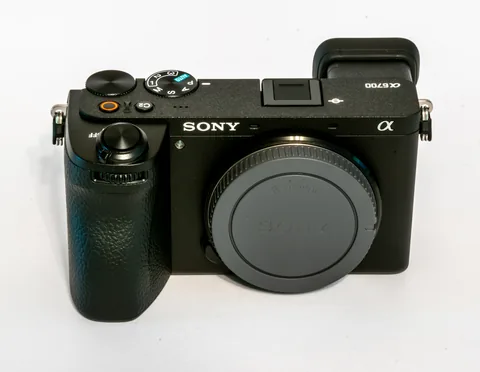
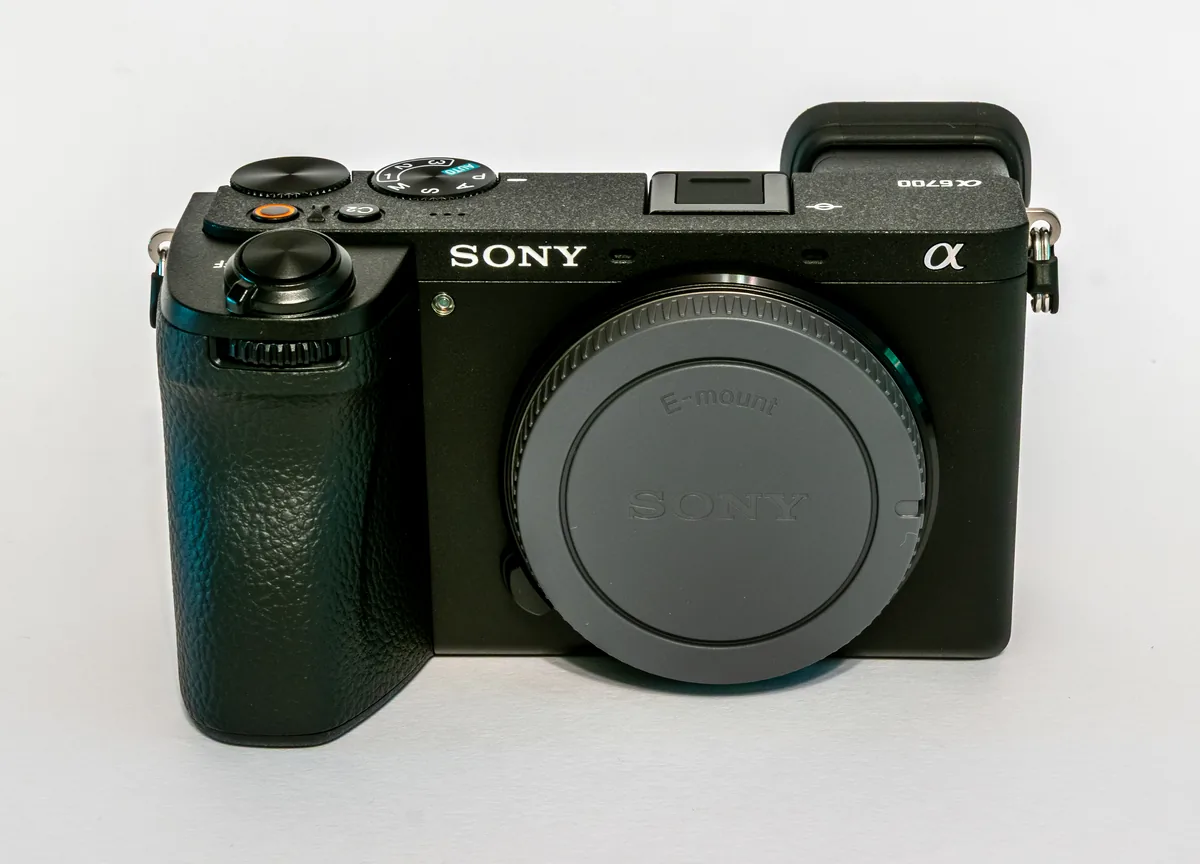
Product mix can change when customers choose higher-specification models, even if individual price tags stay put. Sony’s remarks therefore offer no basis for predicting a price increase on a particular body or the end of an entry-level line. For a purchasing decision, compare the actual regional price and availability of the model you need. For an industry comparison, match the reporting period first: Nikon’s recently reported first-half camera volume spans six months, twice the duration of Sony’s quarterly commentary. The archive images show one Sony body for context.